How Many Watts Does A RV Ac Use​
How Many Watts Does an RV AC Use
TABLE OF CONTENT
Where Can I Find Rent an RV Parks Near Me in Midland TX?

Find safe and affordable RV parks near me in Midland TX with full hookups, pet friendly spaces, and monthly RV parking options for comfortable long or short stays.

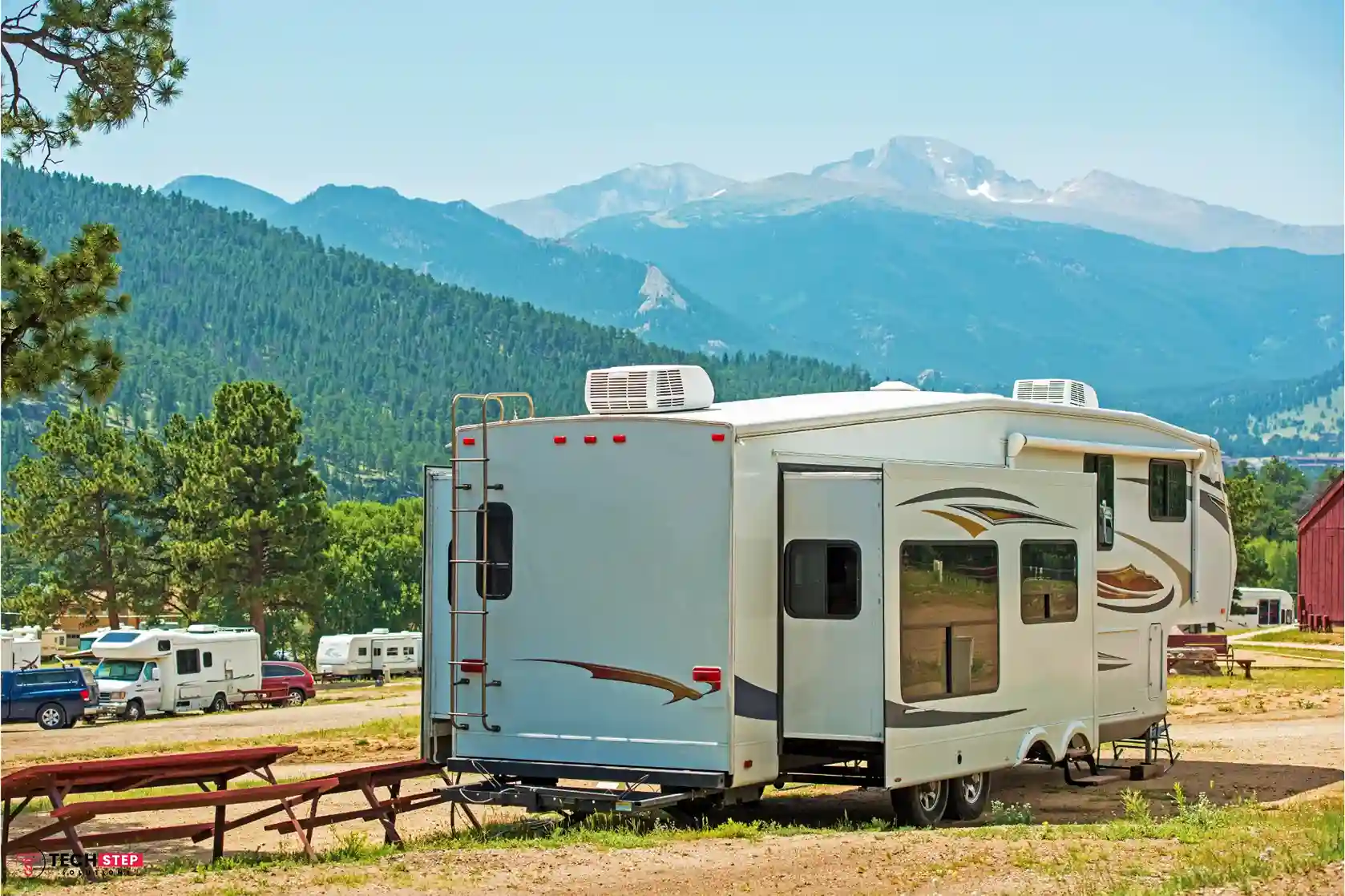


How Many Watts Does an RV AC Use? Expert Guide?

Air conditioning is one of the most important comfort features in an RV, especially during hot weather. Many RV owners ask how many watts does a rv ac use to make sure their electrical system can handle the load when using campground power, generators, or solar.

Most RVs use a rooftop cooling system such as an ac for rv roof or air conditioner for rv roof unit. These systems require more electricity than most other RV appliances. Understanding rv air conditioner wattage, rv ac power requirements, and overall rv air conditioner power consumption helps RV owners manage energy safely while staying comfortable.

Most RV air conditioners fall within a predictable power range depending on their cooling capacity. The rv air conditioner watts required to run a unit depend largely on its BTU rating and compressor efficiency.

Common RV air conditioner sizes and their estimated running power include:

These numbers represent the RV AC running watts, which is the amount of electricity needed to keep the system operating once it has already started.

Because many RVs use rooftop systems, the rv air conditioner power demand is designed to remain manageable within standard campground power connections. Still, understanding the exact rv air conditioner power usage is essential when running multiple appliances at the same time.

Another important part of rv ac unit power draw is the difference between running power and startup power. When the air conditioner compressor starts, it requires a sudden surge of electricity.

This surge is known as RV AC starting watts, and it is usually much higher than the normal operating wattage.

Typical ranges include:

Because of this surge, the rv air conditioner power requirements must always include the startup demand. Ignoring this factor can cause generators to stall or circuit breakers to trip.

Understanding the relationship between rv ac running watts and startup demand helps RV owners choose the right electrical setup for reliable cooling.

The cooling power of an RV air conditioner is measured in BTUs, which indicates how much heat the unit can remove from the air. Larger units cool more space but require greater electricity.

The most common rooftop AC units include:
13,500 BTU Units

These are widely used in travel trailers and mid sized RVs. The typical rv air conditioner wattage for these systems ranges between 1,300 and 1,600 running watts.

15,000 BTU Units

Larger motorhomes often use these units because they cool bigger interiors. The rv air conditioner power consumption may reach up to 2,000 watts during operation.

Because BTU capacity directly influences rv air conditioner electricity usage, selecting the correct size AC helps maintain efficient cooling while avoiding unnecessary energy waste.

Most RV electrical systems are designed around either 30 amp or 50 amp service. Understanding how these systems relate to rv ac power requirements helps RV owners manage their electricity safely.

A 30 amp RV connection provides roughly 3,600 watts of total available power. This is usually enough to run one RV air conditioner along with a few smaller appliances.

A 50 amp system provides significantly more electricity, allowing multiple AC units and additional appliances to operate at the same time.

The amps for rv air conditioner typically range between 12 and 16 amps during normal operation. This electrical demand contributes to the overall rv ac power consumption within the RV.

When managing power in a limited electrical system, understanding the rv air conditioner power requirements becomes essential.

Many RV owners also want to know how much electricity their air conditioner uses over time. This helps estimate campground electricity costs or battery usage.

If an RV AC uses about 1,500 watts during operation, the rv air conditioner electricity usage can be estimated as follows:

Running for one hour uses approximately 1.5 kilowatt hours of electricity.

If the air conditioner operates for eight hours in hot weather, total rv ac energy usage would reach about 12 kilowatt hours for that period.

This type of calculation helps RV travelers understand real world rv air conditioner power consumption and plan their electrical usage accordingly.

Generators are a common power source for RV travelers camping away from electrical hookups. However, the generator must supply enough power to support the air conditioner’s startup surge.

To safely operate an RV air conditioner, most setups require:

Smaller generators sometimes struggle to handle the RV AC starting watts, which is why many RV owners install soft start devices that reduce the initial surge.

Choosing the correct generator ensures the rv ac unit power draw can be supported without interruptions.

Solar power has become increasingly popular among RV travelers seeking energy independence. However, air conditioning places a heavy demand on electrical systems.

Because rv air conditioner power usage can reach 1,500 watts or more, running an AC unit on solar requires:

Although solar systems can help offset energy use, most setups are designed to support shorter cooling cycles rather than continuous operation. Understanding rv air conditioner power consumption helps RV owners design a solar system that fits their travel needs.

Several factors influence the total rv ac energy usage inside a recreational vehicle.

Outdoor temperature

 Hotter environments force the compressor to work harder, increasing rv air conditioner electricity usage.

RV insulation quality

 Better insulation reduces heat entering the RV and lowers overall rv air conditioner power consumption.

Thermostat settings

 Lower temperature settings increase rv air conditioner watts required to maintain the desired temperature.

Ventilation and airflow

Proper airflow helps reduce strain on the cooling system and improves efficiency.Managing these conditions can significantly reduce overall rv air conditioner power usage.

Although air conditioning naturally consumes a lot of electricity, RV owners can take simple steps to reduce rv ac power consumption. Parking in shaded areas and using reflective window covers helps block sunlight and lower the interior temperature, reducing the workload on the air conditioner.

Improving insulation inside the RV also limits heat transfer, making it easier for the AC to maintain a comfortable temperature. Proper ventilation, such as using roof vents or fans, can help circulate air efficiently and support even cooling throughout the RV.

Another effective strategy is installing a soft start device, which reduces RV AC starting watts and allows the system to operate more efficiently, particularly when using generators. By combining these approaches, RV owners can manage rv air conditioner power requirements while keeping the interior comfortable and energy usage under control.

Frequently Asked Questions

Most RV air conditioners use between 1,300 and 2,000 running watts depending on the size and efficiency of the unit.

An RV air conditioner typically needs 2,500 to 3,500 RV AC starting watts when the compressor starts.

A 2,000 watt generator usually cannot start most RV air conditioners because the rv ac starting watts exceed the generator capacity.

Most RV air conditioners consume around 1.3 to 1.8 kilowatt hours per hour depending on the rv air conditioner wattage.

Yes, higher BTU units require more electricity, increasing overall rv air conditioner power consumption.

Solar power can run an RV air conditioner if the system includes sufficient battery capacity and can handle the rv air conditioner power requirements.

Reducing heat inside the RV, improving insulation, using shade, and optimizing airflow can help lower rv air conditioner power usage.

Stay Cool and Save Power: Final Tips for RV Air Conditioner Efficiency

Final Tips for RV Air Conditioner Efficiency

Knowing how many watts does an RV AC use helps RV owners manage power safely and efficiently. Most units run between 1,300 and 2,000 watts, with higher startup demands.

Understanding rv air conditioner wattage and rv ac power consumption allows proper generator, campground, or solar planning. Using shading, insulation, ventilation, and soft start devices can reduce energy use while keeping the RV comfortable.

For a reliable and convenient RV stay in Midland, consider booking your spot at Midland East RV Park. Enjoy full hookups, comfortable amenities, and a well-managed environment for your RV adventures.

Final Tips for RV Air Conditioner Efficiency