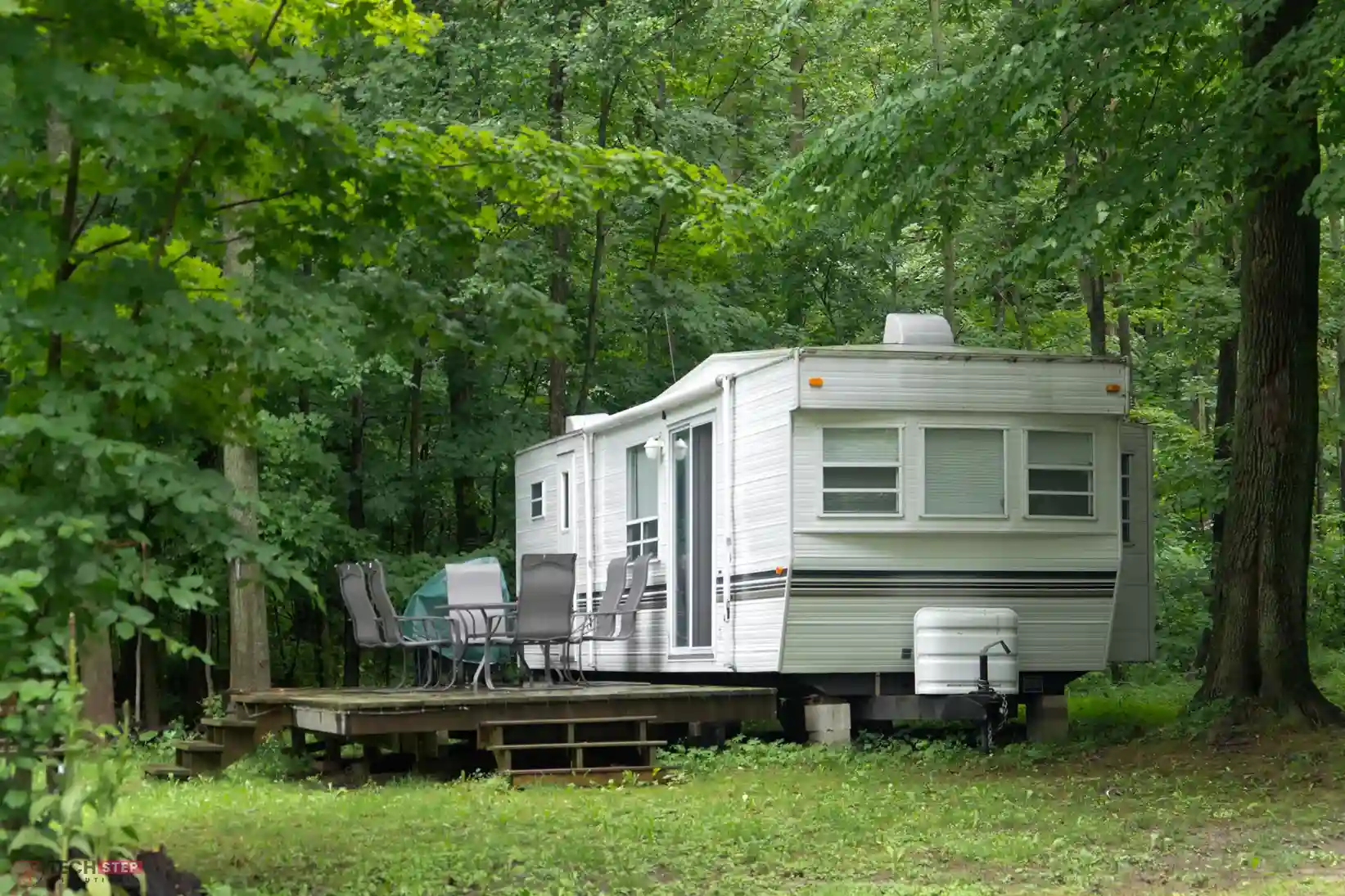
Blowing out your RV’s water lines is an essential part of winterizing your RV. This simple process helps prevent your pipes from freezing during the colder months. Here’s a quick rundown on how to do it:
How to Blow Out RV Water Lines to Prevent Freezing Damage
Cold temperatures can silently destroy an RV’s plumbing system if water is left inside the lines. Understanding how to blow out RV water lines is one of the most effective ways to protect your RV before winter storage. This process removes trapped water from pipes, valves, and fixtures, significantly reducing the risk of cracks, leaks, and costly repairs.
RV owners staying in colder or unpredictable climates benefit the most from this method, especially those parking or storing their units near RV Park Midland TX, where sudden temperature drops are common. At Midland East RV Park, winter plumbing protection is a top concern for long-term and seasonal guests.
Common Causes of RV Water Line Damage During Freezing Conditions
RV plumbing systems are designed for mobility, not extreme cold. Narrow pipes, multiple fittings, and enclosed spaces make them more prone to freeze damage than residential plumbing. Even small pockets of water can expand when frozen, stressing connections and seals.
Proper RV winterization water lines prep ensures water is fully evacuated before freezing temperatures arrive. Blowing out the system with compressed air provides dependable RV water lines freeze protection while preserving the integrity of your plumbing components.
Blowing Out RV Water Lines Compared to Using Antifreeze for Winter Protection
Many RV owners compare blowing out RV water lines vs antifreeze when planning winter prep. Both methods are effective, but they serve different priorities.
Blowing out RV water lines physically removes moisture, leaving pipes clean and dry. This avoids chemical residue and reduces the need for extensive flushing in spring. Antifreeze displaces water but coats the plumbing system, which can affect taste and require additional maintenance later.
For fresh water systems, rv blow out water lines using compressed air is often the preferred solution. Some owners combine both approaches by blowing out lines first and adding small amounts of antifreeze only to drain traps and toilet seals.
Step-by-Step RV Blowout Prep: Tools and Accessories Checklist
Proper RV plumbing winter prep requires the right tools and a clear process. Using an air compressor with a blow-out plug safely removes water from your lines while preventing damage. Follow these steps:
Step 1: Gather Tools
Air compressor with adjustable PSI
RV blow-out plug or adapter
Wrenches and screwdrivers
Water pump bypass kit (optional)
Protective gloves
Step 2: Drain Tanks
Empty fresh, gray, and black tanks
Flush toilets and drain water heater
Step 3: Connect the Blow-Out Plug
Attach plug to city water inlet
Connect air compressor hose securely
Step 4: Set Air Pressure
Adjust compressor to 30–40 PSI
Never exceed maximum RV water pressure
Step 5: Blow Out Lines
Start with the nearest faucet, one line at a time
Move through all faucets, showers, and exterior outlets until only air flows
Step 6: Final Checks
Close faucets and remove plug
Optional: add RV-safe antifreeze to traps and toilets
Step 7: Store Tools
Clean and organize equipment for future use
Following these steps ensures safe, efficient RV winterization with compressed air, protecting your plumbing and minimizing antifreeze use.
Understanding PSI and Maximum Water Pressure for RV Systems
Choosing the correct pressure is critical. Many RV owners ask about the safest psi to blow out RV lines. The recommended range is typically 30 to 40 PSI.
This pressure level remains well below the maximum water pressure for RV plumbing systems. Exceeding the max water pressure for RV components can damage faucets, seals, and internal valves. Gentle, steady airflow is far more effective than high pressure bursts.
Maintaining proper pressure protects your RV while ensuring thorough moisture removal from the system.
Stepwise Process for RV Water Line Winterization with Compressed Air
Step 1: Drain Holding Tanks
Empty fresh, gray, and black tanks completely
Step 2: Drain Water Heater
Fully drain and ensure it has cooled
Step 3: Connect Blow-Out Plug
Attach plug to city water inlet
Connect air compressor hose securely
Step 4: Set Air Pressure
Adjust compressor to recommended PSI
Step 5: Blow Out Lines
Start with the faucet closest to inlet, open hot or cold only
Move through all faucets, showers, exterior outlets, and auxiliary connections
Step 6: Flush Toilets
Flush until only air exits the valve
Step 7: Final Steps
Close all faucets and disconnect compressor
Full Winter Prep Guide for RV Owners: Water Lines and Plumbing Protection
Following a structured RV winter prep checklist reduces the chance of missed steps. Always inspect visible lines for wear before winterizing. Open low-point drains where applicable and don’t forget exterior showers or secondary hookups.
After blowing out lines, briefly reopen faucets to confirm no residual water remains. This final check reinforces effective winterize RV water system practices and provides peace of mind during long-term storage.
At Midland East RV Park, we regularly encourage RV owners to follow a consistent checklist to avoid unexpected spring repairs.
Using Compressed Air to Protect RV Water Lines During Long-Term Storage
Using compressed air RV water lines winterization is especially beneficial for RVs stored for extended periods. Dry plumbing systems resist corrosion, bacterial growth, and seal degradation over time.
This method supports long-term RV water line maintenance and reduces stress on pumps and valves when the system is reactivated.
RV Fresh Water System Cleaning: Winter Storage Sanitization Methods
Another advantage of blowing out water lines is simplified sanitizing RV fresh water in spring. Since the system remains chemical-free, sanitization is quicker and more effective.
Clean lines improve water taste, reduce odors, and help maintain consistent water pressure throughout the camping season.
Climate-Specific Tips for RV Winterization in Midland TX
Weather patterns matter when winterizing an RV. Sudden cold fronts in West Texas can arrive earlier than expected. RV owners staying near RV Park Midland TX benefit from preparing ahead of time rather than reacting after temperatures fall.
Midland East RV Park supports guests with seasonal awareness and practical advice to help protect RV plumbing systems year-round.
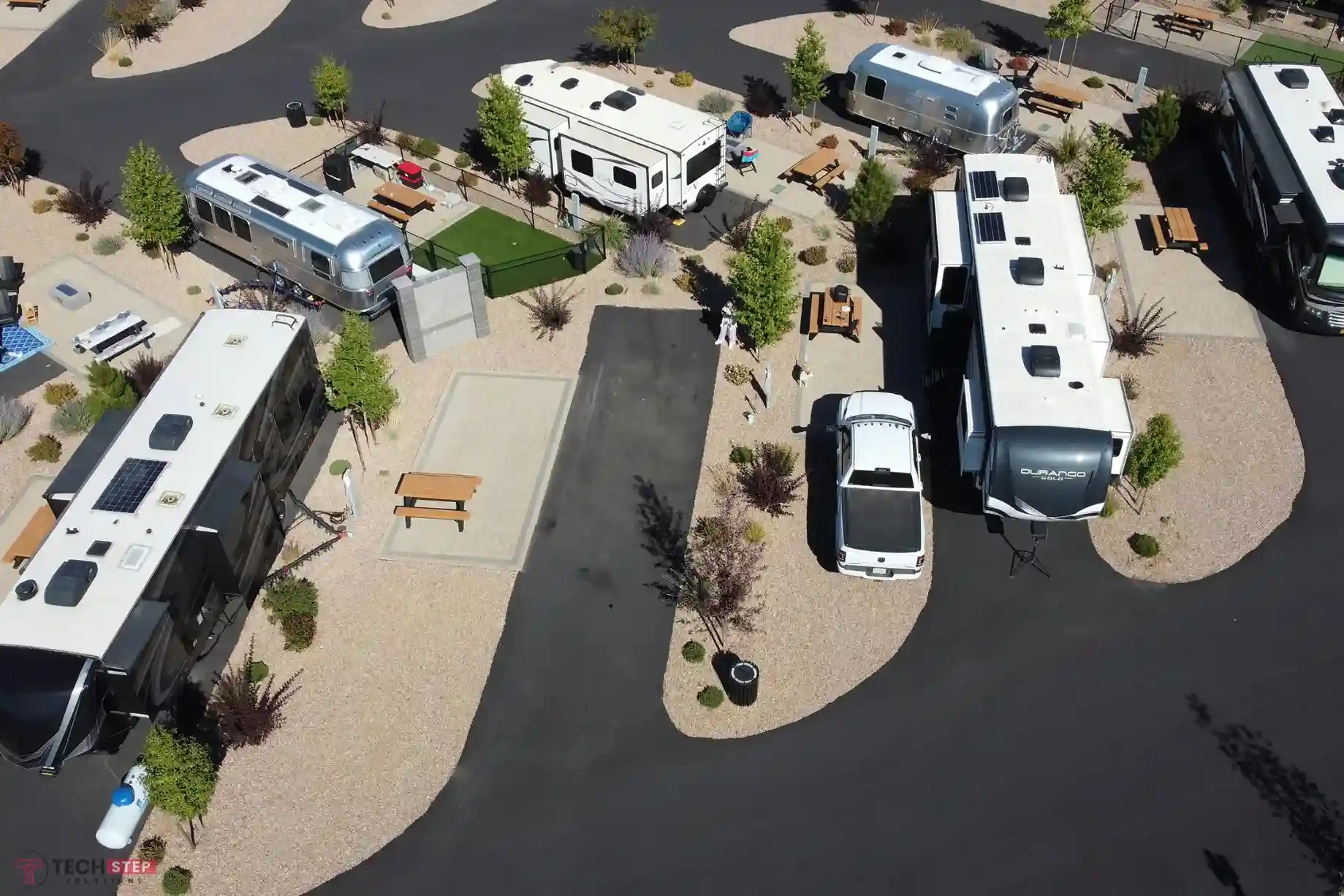
Midland East RV Park offers convenient RV parking and long-term stays in Midland TX.
Expert-Recommended Winter Plumbing Techniques for RV Owners
Learning how to blow out RV water lines correctly is an investment in your RV’s longevity. When done with proper pressure, sequencing, and attention to detail, this process prevents damage, preserves water quality, and simplifies spring setup.
For RV owners seeking dependable winter preparation knowledge and a well-managed location to park or stay, Midland East RV Park continues to be a trusted choice in Midland TX.









 .
.