What Does RV Stand For? A Complete Guide to Recreational Vehicles
For anyone new to mobile travel, the term RV can be confusing. RV stands for “Recreational Vehicle”, encompassing a wide range of vehicles designed for travel, leisure, and accommodation on the road. From motorhomes and camper vans to travel trailers and pop-up campers, all of these fall under the RV category.
Understanding the full form of RV and its purpose is essential for anyone interested in the RV travel lifestyle, weekend getaways, or even full-time mobile living. RVs are not just vehicles they provide freedom, flexibility, and a unique way to explore the outdoors without sacrificing comfort.
The abbreviation RV is used interchangeably across different contexts. Common ways people search or refer to it include:
RV meaning: Any vehicle equipped for living and travel purposes.
RV stand for: Recreational Vehicle.
RV mean: Shorthand for a camper or motorhome used in casual conversation.
RV abbreviation meaning: Helps clarify distinctions between motorhomes, campers, and travel trailers.
Knowing these variations is especially useful when researching RV vs camper differences or when trying to understand whether a camper or RV is more suitable for your travel plans.
While all motorhomes are RVs, not all RVs are motorhomes. Understanding this distinction helps travelers make informed choices. Motorhomes are self-propelled vehicles that include living spaces such as kitchens, bathrooms, and sleeping areas. Towable RVs, including travel trailers, fifth wheels, and pop-up campers, require a separate vehicle to tow.
Motorhomes often provide more space and amenities, making them ideal for long-term travel, while towable campers offer greater flexibility and are easier to store. Recognizing these differences is crucial when comparing RV vs motorhome or evaluating the features of an RV vehicle before purchase or rental.
RVs are available in a variety of types, each tailored for different travel experiences:
Class A Motorhomes are large and luxurious, offering extensive living and entertainment spaces. They are ideal for travelers seeking comfort and convenience on long trips.
Class B Camper Vans are compact and easy to drive, perfect for solo travelers or couples who want to explore urban and rural destinations alike.
Class C Motorhomes feature a distinctive cab-over design and strike a balance between space and maneuverability.
Travel Trailers are towable RVs that allow flexibility in layout and are often more affordable than motorhomes.
Pop-Up Campers are lightweight and collapsible, designed for easy towing and storage, making them a great choice for seasonal or weekend trips.
By understanding these options, travelers can choose an RV that suits their style, whether for short-term getaways or adopting a full RV travel lifestyle.
Traveling in an RV provides freedom and convenience unmatched by traditional travel methods. With an RV, you have the flexibility to explore at your own pace and access destinations where hotels or other accommodations might be unavailable. Many RVs include kitchens, bathrooms, and sleeping areas, allowing travelers to reduce costs on dining and lodging while maintaining comfort.
Moreover, RV travel encourages immersion in nature and access to scenic parks, trails, and remote locations. For beginners, understanding RV living basics and vehicle options ensures smooth travel and helps maximize the experience.
Selecting the right RV involves more than picking a size or price point. Travelers should consider their lifestyle needs, the duration of travel, and whether the RV will be used for short-term trips or long-term living. Amenities vary widely between vehicle types; larger motorhomes typically offer full kitchens and bathrooms, while smaller camper vans may provide only basic facilities.
Other considerations include towing requirements for trailers, storage space, and the convenience of setup and maintenance. By assessing these factors, travelers can confidently select a vehicle that fits their goals and provides an enjoyable RV travel lifestyle experience.
New RV users often have questions about how the vehicle operates and what daily life on the road entails. Driving and parking a motorhome or large trailer may require practice, while smaller camper vans are easier to maneuver. Most RVs today include modern amenities, such as climate control, storage, and sleeping arrangements, to make travel more comfortable.
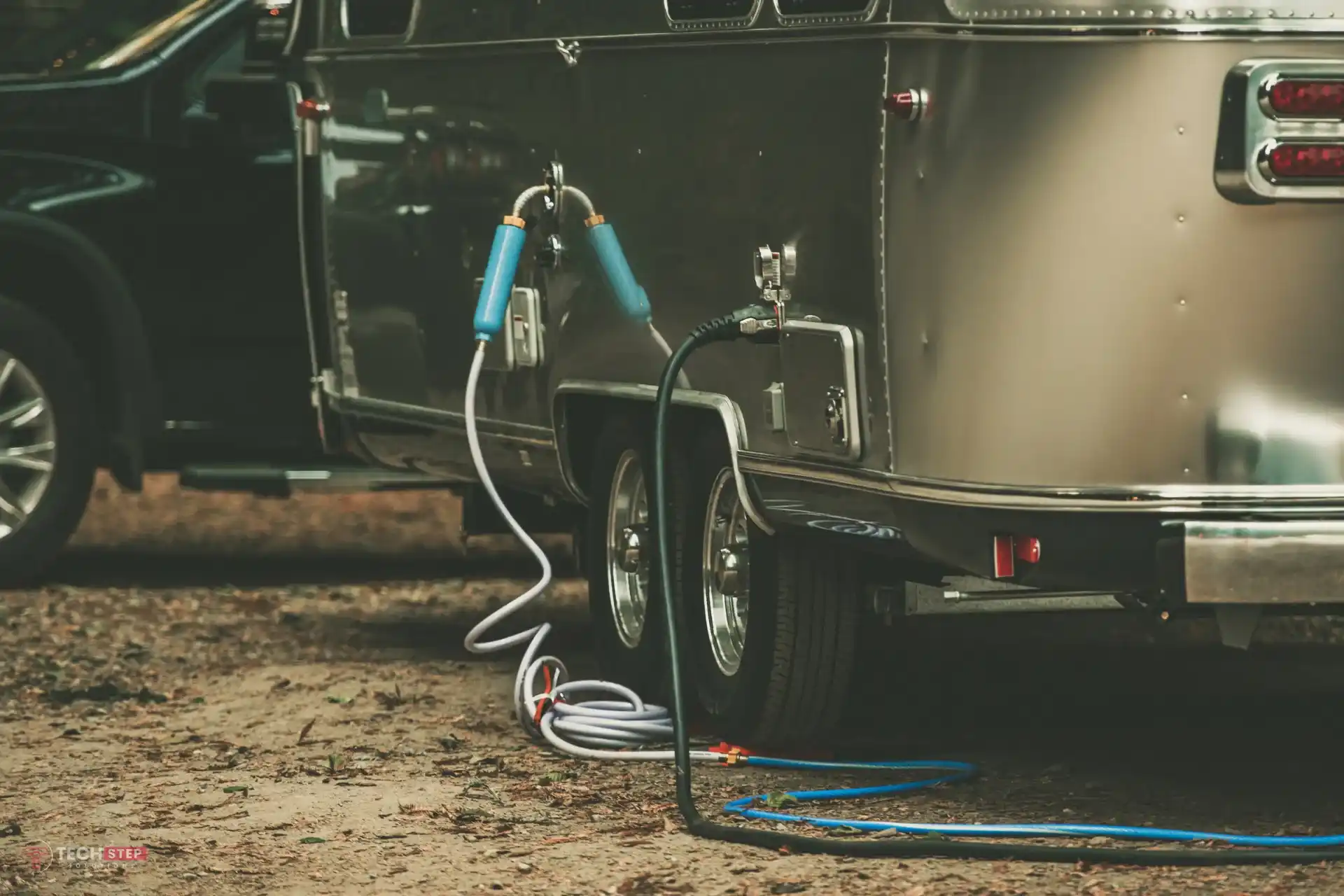
Campground facilities also vary, so researching locations in advance is important. For example, Midland East RV Park offers well-equipped spaces, including hookups for electricity and water, making it easy for both beginners and experienced travelers to settle in quickly.
Owning or renting an RV involves more than the purchase price. Prospective owners should consider fuel, maintenance, insurance, and campground fees. While costs can vary significantly depending on the type and size of the RV, many travelers find that the ability to combine travel and accommodation in one vehicle offsets expenses over time.
Accessibility is another consideration. Campgrounds and RV parks, including options like Midland RV Park near me, provide essential services such as parking, utilities, and recreational amenities. Planning ahead ensures a comfortable experience regardless of the vehicle type.
First-time RV users may have concerns about facilities, maintenance, or driving. Not all RVs include full kitchens or bathrooms, and operating a larger vehicle requires attention to handling and parking. Maintenance, including checking fluids, tire pressure, and waste management, is essential to avoid disruptions.
Despite these challenges, RV travel remains highly accessible with the right preparation. Knowledge of types of recreational vehicles, their features, and campground availability allows travelers to enjoy the flexibility and comfort that make RV living appealing.
Midland East RV Park provides fully equipped spaces for all RV types, convenient access, and essential amenities for both short-term and extended stays.
Wrapping Up: Key Takeaways About RV Travel and Lifestyle
Understanding what RV stands for and the different types of recreational vehicles is the first step to enjoying RV travel. Whether you are exploring camper vans, travel trailers, or motorhomes, RVs provide comfort, freedom, and flexibility for short trips or extended travel.
For those seeking a well-equipped, convenient location to park and enjoy their RV, Midland East RV Park in Midland, TX, offers amenities, accessible spaces, and a welcoming environment for all travelers. By understanding vehicle types, costs, and lifestyle considerations, anyone can confidently embrace the RV travel lifestyle and enjoy the adventure of life on the road.








 .
.