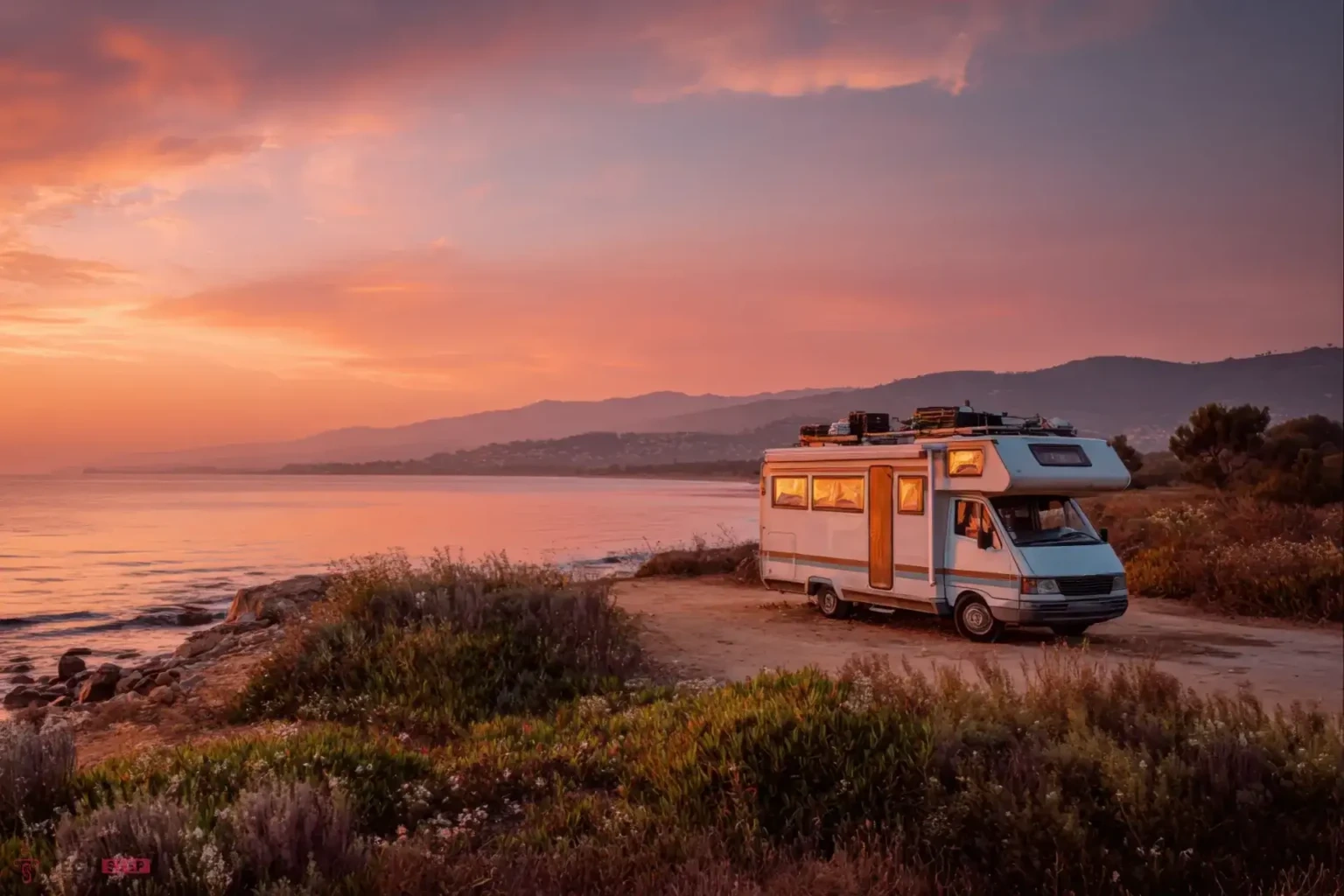
Do You Need a Special License to Drive an RV?Laws and Regulations
Owning or traveling in an RV brings freedom that few other travel styles can match. Before you take your first trip, though, one important legal question needs clarity: do you need a special license to drive an RV? The answer depends on the size, weight, and classification of the recreational vehicle, along with state-specific regulations.
In most situations across the United States, RV drivers do not need a special license. However, once an RV crosses certain weight or towing limits, additional requirements may apply. Understanding license requirements for RV ownership helps you avoid fines, insurance problems, or travel interruptions.
If you are planning long-distance travel or staying at an RV park near me Midland, knowing the rules before you drive ensures a smooth and worry-free journey.
Situations Where a Regular Driver’s License Is Sufficient for an RV
For the majority of RV travelers, driving an RV with a regular license is completely legal. Standard driver’s licenses are valid for most recreational vehicles used for personal travel.
You typically do not need any upgrades or endorsements when:
The RV’s Gross Vehicle Weight Rating is under 26,000 pounds
The RV is not being used for commercial purposes
Any towed trailer stays within state-approved limits
This covers most camper vans, many Class C motorhomes, and a large portion of Class A models. These rules make RV travel accessible for families, retirees, and seasonal travelers alike.
Legal Licensing Requirements Based on RV Weight Classification
RV licensing laws are closely tied to weight. Every recreational vehicle has a defined Gross Vehicle Weight Rating, which includes passengers, fuel, cargo, and accessories.
Once an RV exceeds specific limits, states may require:
A non commercial RV license
Additional written or road testing
Compliance with enhanced RV weight limit license rules
Understanding these thresholds answers a common question: what size RV requires a special license. Larger, heavier RVs demand more control and awareness, which is why states impose stricter rules for them.
Regulatory License Requirements for Motorhomes by Class
Motorhomes are divided into three main categories, each with different motorhome drivers license considerations.
Class B Motorhomes and License Rules
Class B motorhomes are the smallest option and are often built on van chassis. They remain well within standard limits, meaning Class B RV license rules allow drivers to operate them using a regular license in all states.
Class C Motorhomes and Licensing Requirements
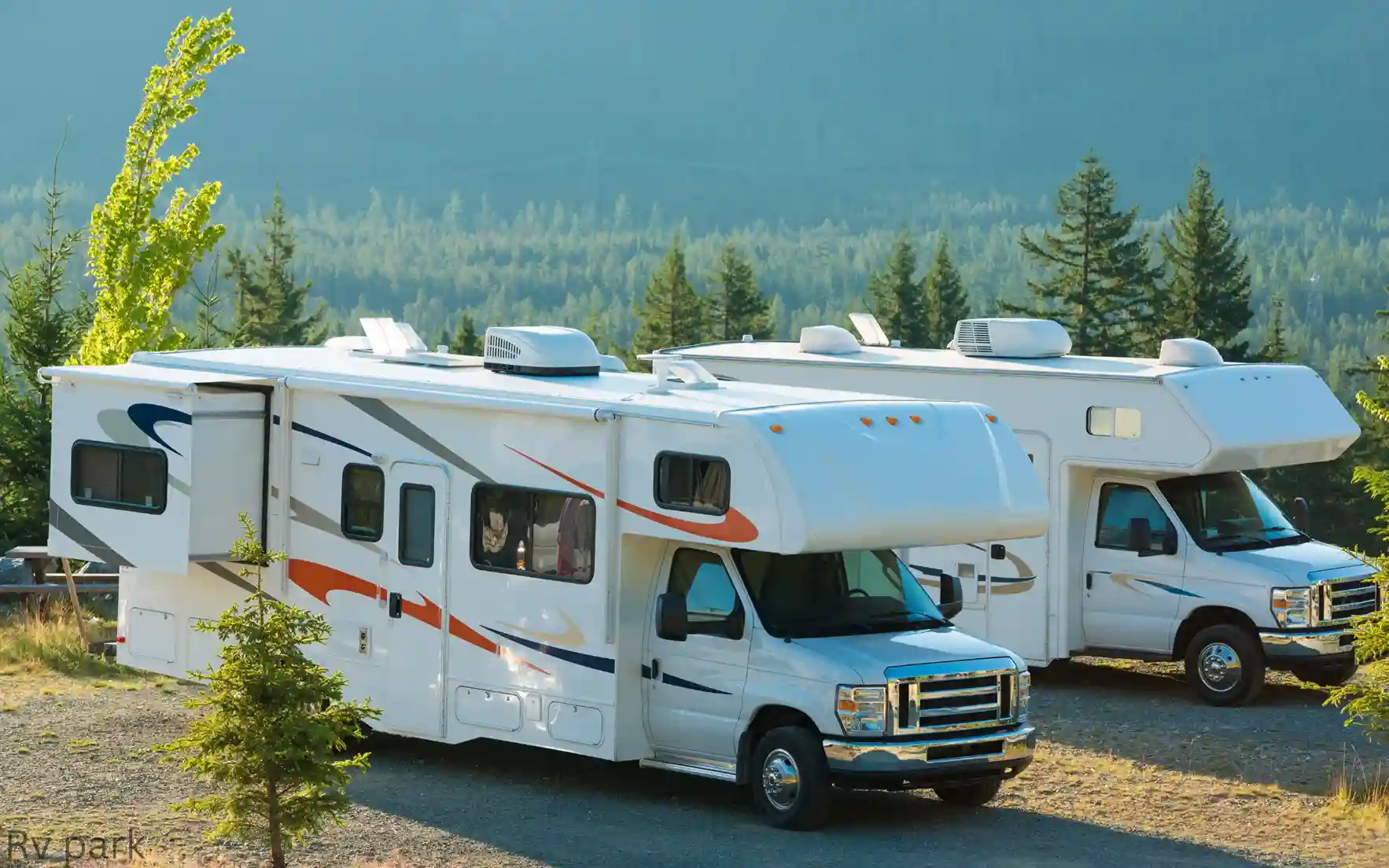
Class C motorhomes are mid-sized units commonly used by families. Most remain under the 26,000-pound threshold, so a standard license is usually enough. In rare cases where weight limits are exceeded, additional licensing may apply.
Class A Motorhomes and Special License Considerations
Class A motorhomes are the largest recreational vehicles on the road. While many can still be driven with a regular license, some exceed size or weight limits. In those cases, Class A RV license requirements may include a non-commercial endorsement or upgraded license class.
Differences Between Recreational Vehicle Licenses and Commercial Driver’s Licenses
Many RV owners assume that large RVs automatically require a commercial license. In reality, RV CDL requirements are limited and often misunderstood.
A CDL is generally required only when:
The vehicle is used for business or transport for pay
The RV exceeds weight thresholds without state exemptions
Most states clearly separate personal RV use from commercial transport. Instead of a CDL, drivers may need a recreational vehicle license or a non-commercial upgrade. This distinction ensures safety without imposing commercial driving obligations on private RV owners.
So, CDL required for RV use? In most personal travel cases, the answer is no.
State-Specific Recreational Vehicle Laws and Licensing Differences
There is no single national rulebook for RV licensing. Recreational vehicle laws are controlled by individual states, and your home state determines your licensing obligations.
Some states may require:
Written tests for oversized RVs
Road exams for heavier motorhomes
Special classifications for towing large trailers
Other states allow nearly all RVs to be driven with a standard license. Because laws change, checking updated state DMV guidance is always recommended before purchasing or upgrading an RV.
License Requirements for Towing Trailers and Fifth Wheel RVs
Towing adds complexity to driving an RV license rules. Large trailers can push combined vehicle weight beyond legal thresholds.
You may need a different license to drive trailer setups when:
The combined vehicle and trailer exceed 26,000 pounds
The trailer alone surpasses state-defined limits
Special V license requirements apply in your state
Understanding towing laws protects you from penalties and improves road safety for everyone.
Is a Motorhome Legally Considered a Commercial Vehicle?
A common concern among RV owners is whether licensing rules change due to vehicle size. For personal use, the answer is straightforward.
When used solely for recreation, a motorhome is not considered a commercial vehicle. Commercial classification applies only when the RV is used for business or income-generating activity. Personal RV travelers remain under non-commercial regulations.
RV Driving Rules That Matter Beyond Licensing
Licensing is only one part of lawful RV operation. RV driving rules focus heavily on safety and responsible handling.
Important considerations include:
Reduced speed limits for oversized vehicles
Proper mirror usage and lane awareness
Increased braking distance
Compliance with height, bridge, and road restrictions
These rules are especially important when entering or exiting campgrounds or navigating areas near a best RV park near me.
Guidelines for a Compliant and Comfortable RV Stay in Midland
If your route brings you through West Texas, preparation goes beyond licensing. Travelers searching for an RV park near me Midland often value accessibility, clear entry routes, and compliance with local regulations.
Midland east RV park offers a dependable option for travelers passing through or staying longer in the area. Arriving with the correct license and understanding local driving expectations ensures a smooth experience from check-in to departure.
No. Personal-use motorhomes are classified as non-commercial vehicles.
Expert Summary of Recreational Vehicle Licensing Rules
So, do you need a special license to drive an RV? In most cases, you do not. Understanding motorhome license rules, weight limits, and state-based regulations gives you confidence on the road.
Before traveling, confirm your RV’s specifications and towing setup. With the right preparation, RV travel remains what it should be: simple, legal, and enjoyable. If Midland is on your route, planning ahead ensures a comfortable and compliant stay at your chosen RV destination.







 .
.