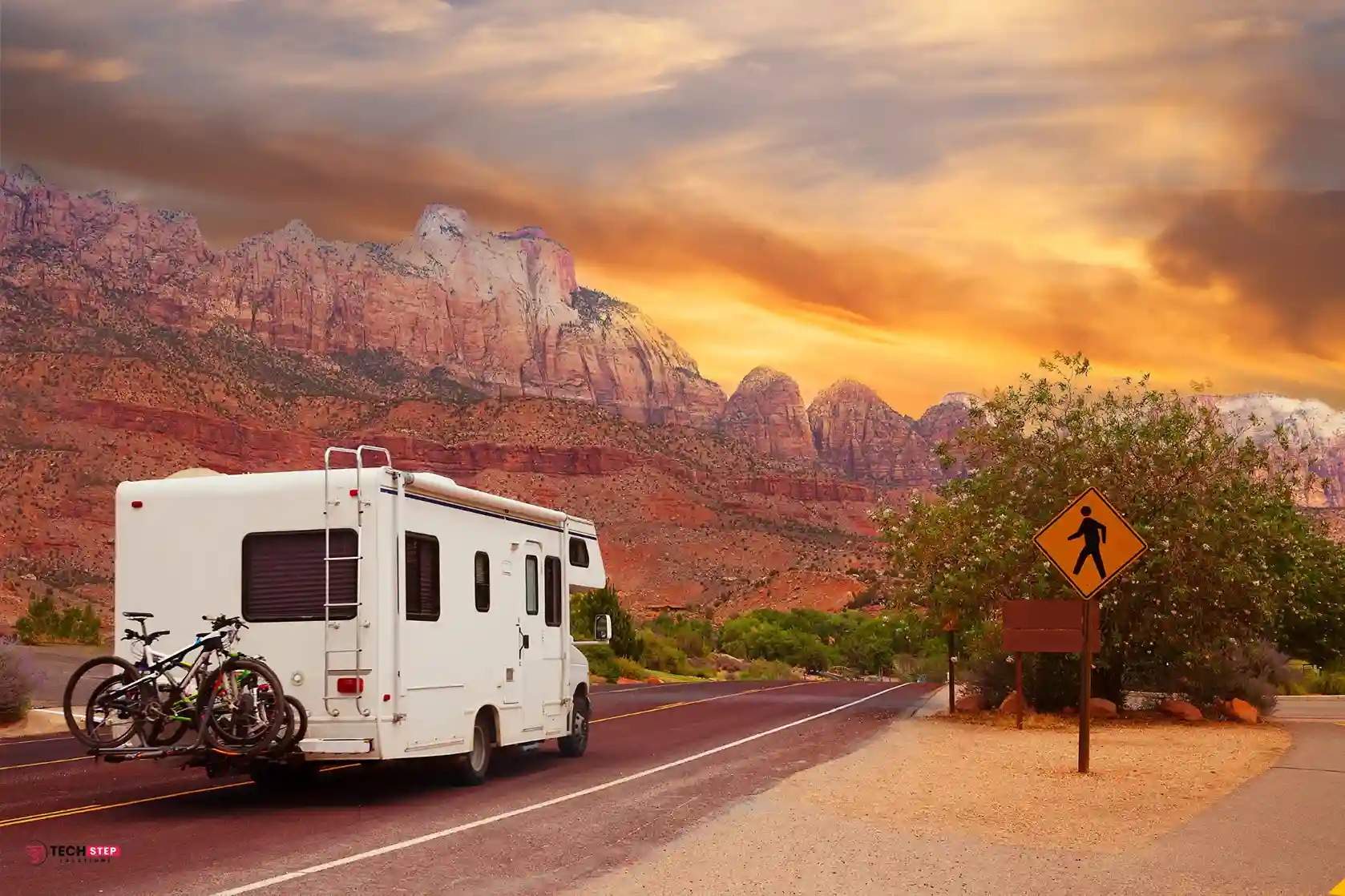
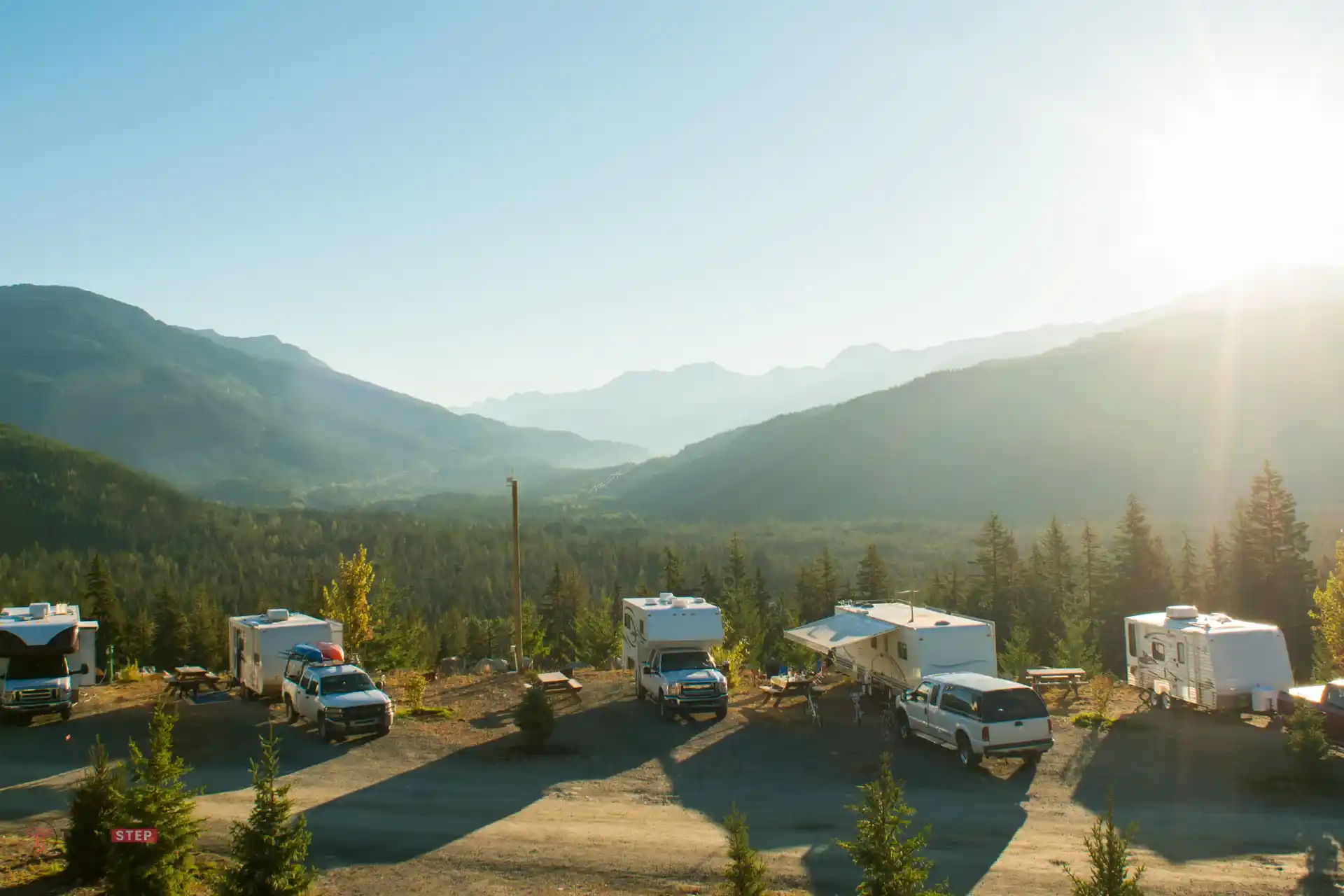
Do You Need A Special License To Drive An RV: Everything You Should Know
Most people driving a personal RV do not need a commercial license, but larger rigs can require the right non-commercial license class. If you are asking, Do You Need A Special License To Drive An RV, the answer depends on your RV’s weight rating, towing setup, and use.
For Midland, TX travelers, check the GVWR and GCWR listed on your RV, motorhome, truck, or trailer. Texas driver license classes are based on weight, combination weight, towing weight, and vehicle type. Recreational vehicles driven for personal use are CDL-exempt, although some drivers may still need a Class A or Class B license.
If your trip brings you to West Texas, Midland East RV Park gives you a comfortable place to stop after the drive. Call ahead to ask about available RV sites.
The license needed for RV travel comes down to size and weight, not the word “RV.” A small camper van, many Class C motorhomes, and many travel trailers can use a regular license for personal travel.
A CDL and a non-commercial RV license are not the same. A CDL usually applies to commercial driving. A non-commercial Class A or B license can apply to large personal-use RVs.
So the real question is not only “do you need a CDL for RV?” The better question is “what license to drive an RV based on my exact weight rating?” These personal use RV license rules help avoid confusion before you leave.
Weight Matters: Check Your RV Ratings Before the Road
RV licensing laws are closely tied to weight. Every recreational vehicle has a defined Gross Vehicle Weight Rating, which includes passengers, fuel, cargo, and accessories.
RV weight limits for license decisions are usually based on two ratings:
GVWR: Gross Vehicle Weight Rating for one vehicle
GCWR: Gross Combination Weight Rating for a tow vehicle and trailer together
In Texas, Class A licensing can apply to combinations rated 26,001 pounds or more when the towed vehicle exceeds 10,000 pounds. Class B licensing can apply to a single vehicle rated 26,001 pounds or more, including certain setups towing 10,000 pounds or less.
This is why RV size license requirements matter. A manageable motorhome may fall into a heavier class. A fifth wheel setup can also cross the threshold once truck and trailer ratings are combined.
A regular license often covers smaller RVs and lighter towables. Still, class c rv license requirements should be checked because not every Class C coach has the same rating, equipment, or towing setup.
A standard license may cover a camper van, light travel trailer, smaller Class C RV, pop-up camper, or personal-use motorhome under major weight limits.
A Class B motorhome license may be needed for a large single motorhome rated at 26,001 pounds or more. A Class A motorhome license may be needed for heavier combinations, especially when towing a large fifth wheel or trailer.
The class a motorhome license requirement is not about luxury level or length alone. It is about the official rating. Check the manufacturer sticker before relying on guesswork.
Common RV License Mistakes and How to Avoid Them
One common mistake is checking empty weight instead of rated weight. The license needed for RV driving is usually tied to the rating, not just what the vehicle weighs on a scale that day.
A practical example: one RVer may drive a 24,000-pound rated motorhome into Midland and stay within regular license rules. Another may bring a 28,000-pound rated motorhome and need a higher non-commercial license. A third may tow a large fifth wheel behind a heavy-duty truck and cross the combined rating limit.
That weight difference can change the legal requirements for RV drivers and the license needed for large RV travel.
Stay Legal on the Road: CDL Considerations for RVs
For personal RV travel in Texas, operators of recreational vehicles driven for personal use are CDL-exempt under official state license information.
The CDL requirements for RV become more relevant when the vehicle is used for business, paid transportation, or commercial work. Federal guidance says drivers transporting personal property to support a business in vehicles or combinations at 26,001 pounds or more must comply with CDL requirements.
So, if your RV is strictly personal, focus on the correct non-commercial license class. If it supports paid work or business transport, verify the rules before you drive.
Check Your RV License Rules Before Driving Out of State
RV licenses by state rules can differ. Texas may treat personal-use RVs differently than another state on your route, and recreational vehicle driving laws may change based on weight, length, towing, or use.
Before a long trip, check your RV driver’s license class, RV GVWR and GCWR, fifth wheel GVWR, route states, insurance, registration, and testing needs.
This supports driving an RV legally and gives a clearer answer when someone asks what license to drive an RV across state lines.
Tips for Safer RV Towing on Midland Roads
RV towing license requirements and fifth wheel license requirements deserve attention on West Texas highways. Midland roads can include wind, work traffic, wide trucks, and long stretches.
If you tow, confirm hitch rating, trailer brakes, safety chains, tire pressure, mirrors, weight distribution, and brake settings. The travel trailer driving license question is only one part of safety.
Motorhome driving regulations are easier when every trip starts with inspection. Even when a special license is not required, RV road safety laws still expect safe operation.
Before arriving in Midland, check tires, lights, brakes, fluids, height clearance, and route. Large RVs need more stopping distance, wider turns, and slower lane changes.
Pro tip: keep your RV height, length, GVWR, and GCWR near the driver seat. This helps at fuel stations, bridges, access roads, and service bays.
Find the Best
RV Park in Midland, TX for Your Stay
Once the licensing side is clear, your next priority is a reliable place to stay. Midland East RV Park is a practical option for travelers who want a comfortable RV park in midland tx for short visits, work stays, or longer trips.
If you searched Best rv parks near me in midland tx, look for full hookups, 30 and 50 amp access, laundry, WiFi, pet-friendly space, route access, and responsive support.
Midland East RV Park is built for RV travelers who want a simple, comfortable stay without unnecessary hassle.
Most personal-use RVs do not need a special license, but large motorhomes or heavy towing combinations may require a non-commercial Class A or Class B license in Texas.
You can stay at Midland East RV Park in Midland, TX for comfort, practical amenities, and an easy place to settle after the drive.
Plan Your RV Stop in Midland with Confidence
Knowing your license to drive a motorhome, license to drive an RV, or license to drive an RV helps you travel with confidence. Knowing where you will park helps you relax when the drive is done. Before your next Midland trip, confirm the legal requirements for RV drivers, check your paperwork, inspect your rig, and reserve your site early. These motorhome license rules help you plan better, especially when comparing RV driver’s license requirements for a large rig.
For more options and detailed guidance, check out RV Parks Odessa TX to find the best spots for your RV stay.
Call Midland East RV Park today to ask about RV site availability and make your Midland, TX stay easier from the start.

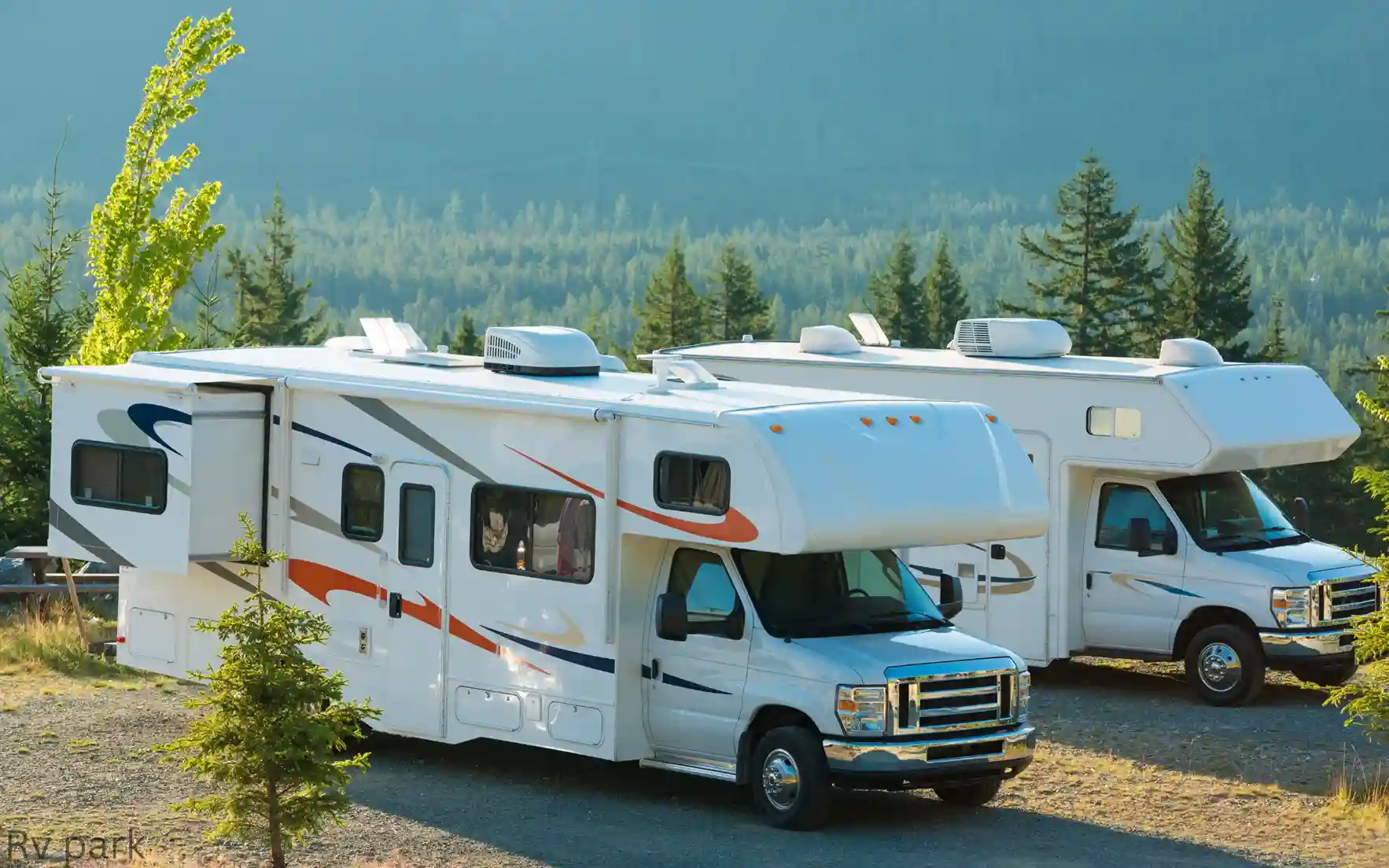
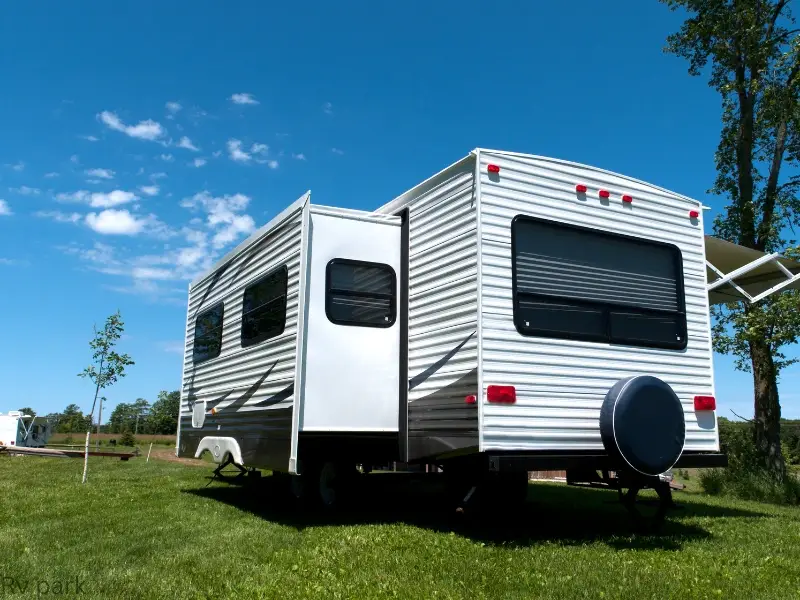






 .
.