How Long Do RV Tires Last?
Expert Tips to Know When to Replace Them
If you’re wondering how long RV tires last, the answer isn’t determined by tread depth alone. While tire wear patterns are important, most RV owners agree that factors such as tire age, storage conditions, and regular maintenance have a bigger impact on lifespan. Paying attention to UV exposure, load limits, and proper inflation is essential for keeping your tires safe, reliable, and road-ready.
Unlike standard vehicle tires, RV and travel trailer tires continue to age even when your vehicle is parked. Exposure to sunlight, extreme weather, and prolonged inactivity can degrade the rubber, meaning that even tires with seemingly good tread may no longer be safe for the road.
Most experts suggest replacing RV tires every 5 to 7 years, which is generally considered the tire’s effective lifespan. Always check the manufacture date stamped on the sidewall to confirm safety and ensure your tires remain road-ready.
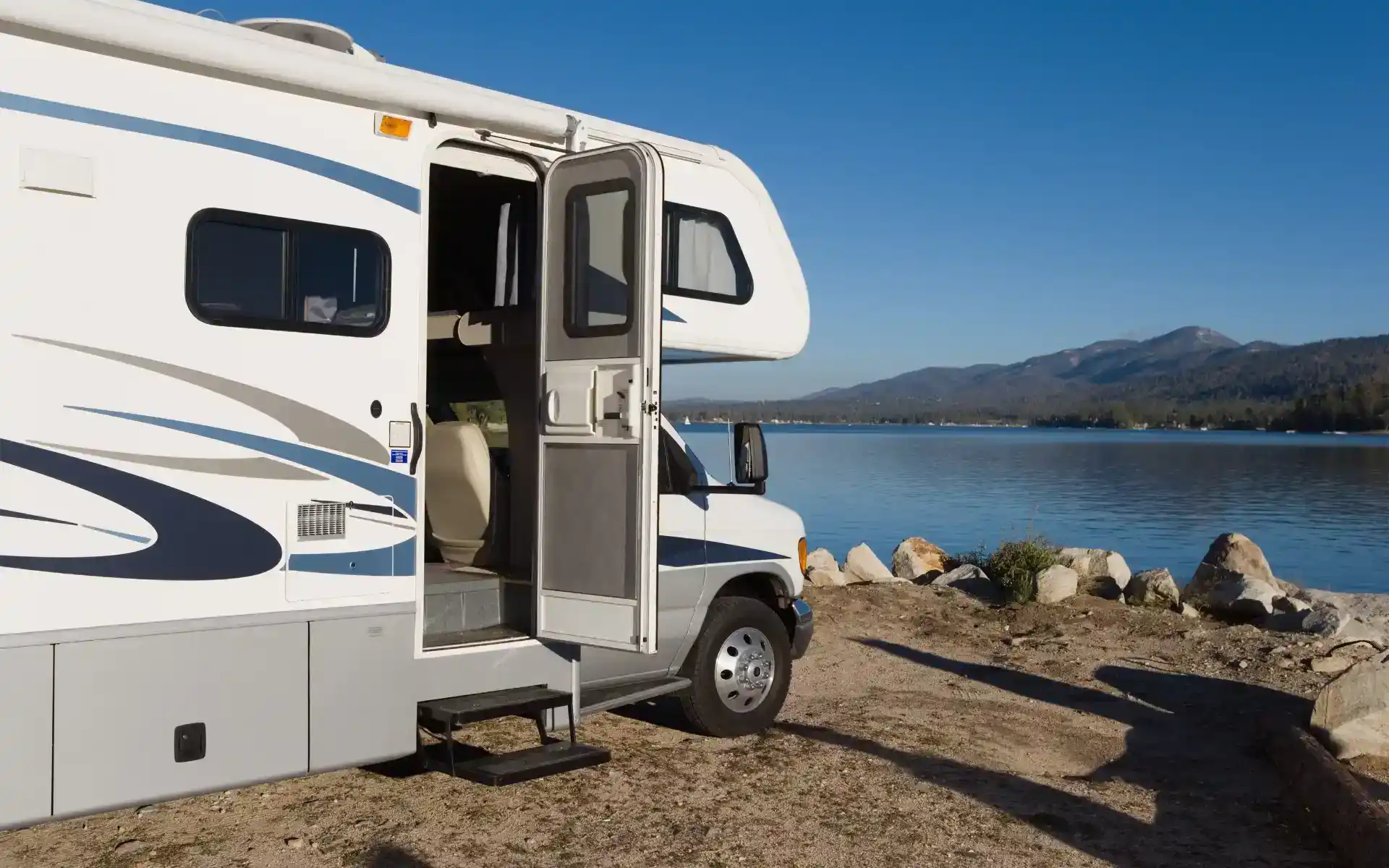
Your RV type also affects tire lifespan. Motorhomes typically use larger, more durable tires, while towables like travel trailers may require replacement sooner due to weight distribution and road stress.
Understanding your RV type helps you choose the right tires and ensures safer travel on the road.
It’s not just mileage that causes RV wheels and tires to break down. Several other factors lead to early aging.
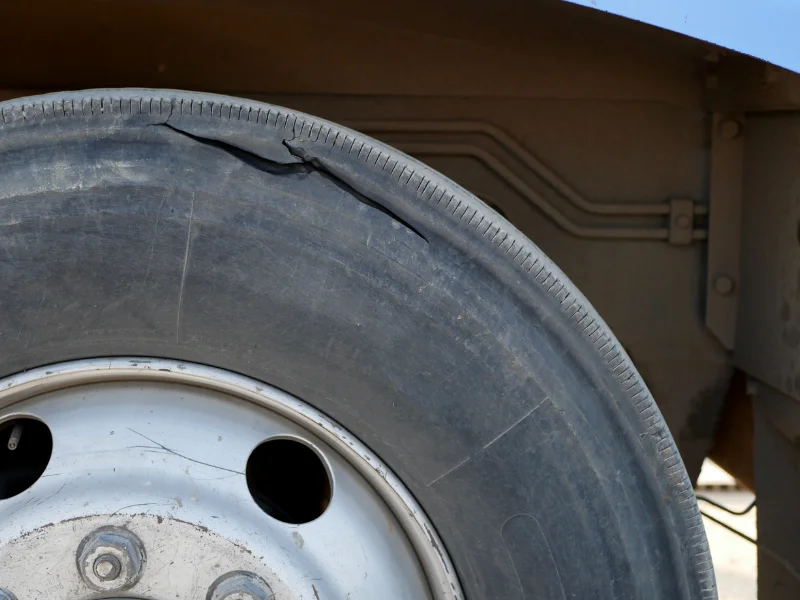
One major cause is sunlight. Rubber naturally breaks down under UV rays, even when your RV stays parked. Cracking on the sidewalls is a warning sign. It often starts small but can lead to serious damage.
Weather matters too. Hot, dry air or cold, wet climates can speed up wear. Improper storage makes things worse. Leaving tires uncovered or parked on wet ground can cause early breakdown.
Long-term parking also puts stress on tires. Staying in one spot for months flattens parts of the tire. This can weaken the rubber and reduce safety.
Tire pressure plays a big role. Driving with low pressure builds heat and wears tires unevenly. This makes a tire blowout more likely while driving.
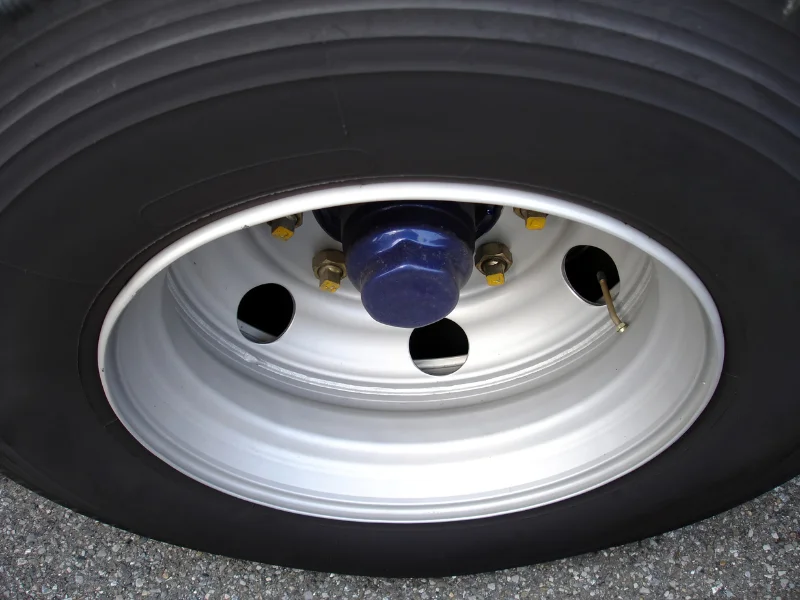
Proper loading involves evenly distributing weight and checking axle limits to ensure safe and stable RV travel.
By staying alert to these causes, you’ll keep your RV tires safer and stronger for longer.
Warning Signs Your
RV Tires Need Replacing
RV tire inspection helps catch hidden problems before they become dangerous, even if the tires look fine on the outside.
Look for cracking on the sidewalls. Small splits often mean the rubber is drying out (dry rot).
Dry rot is a strong sign the tire is aging and may fail soon.
Check the tread depth. If it’s too low or uneven, the tire may not grip the road safely.
Unsafe tread is especially risky in wet or rough road conditions.
Be sure to check the DOT manufacturing date stamped on the tire’s sidewall.
Replace tires after 5 to 7 years, even if the tread still appears good.
Don’t forget your spare tires—they age just like the ones in use.
Tire Inflation Tips
That Prevent Costly RV Damage
Keeping the right RV tire pressure is one of the easiest ways to make your tires last longer. It can also reduce your long-term costs. Proper pressure protects your tires from early wear and keeps your ride smooth.
If your tires are under-inflated, they flex too much. This creates extra heat and shortens the tire lifespan. It can even cause sudden blowouts. Too much pressure is also bad—it makes the ride rough and wears out the tread in the center faster.
Always check your PSI before heading out. Use a reliable gauge and follow your RV’s manual. A TPMS (Tire Pressure Monitoring System) can help by showing real-time updates while driving. For best results, check your pressure when the tires are cold. This gives a more accurate reading. Making pressure checks a regular habit helps you avoid bigger problems later.
Regularly inspect your tires and make pressure checks a habit to avoid bigger problems later.
ow to Choose the Best
RV Tires for Longevity and Safety
Selecting the right RV tires is just as important as proper maintenance. When asking, “how long do RV tires last?”, the type, brand, and load rating of your tires can make a significant difference in lifespan and safety. Look for tires specifically designed for your RV type—motorhome, travel trailer, or fifth wheel—and check for high load capacity, durable tread, and UV-resistant rubber.
Investing in quality tires not only ensures longer tire life but also reduces risks on the road, improves fuel efficiency, and enhances ride comfort. Pair your new tires with regular inspections, proper inflation, and correct storage to maximize performance and avoid costly replacements.
Simple Storage Tricks to Keep Your
RV Tires Safe
Proper storage is key to keeping used tires in good shape, even when your RV isn't moving.
Rubber ages over time, so tires need protection during long-term parking.
Always use tire covers to block UV rays and prevent cracking.
Try to park in shaded spots to keep your tires safe from sun exposure.
Make sure your tires stay dry by avoiding contact with damp or wet surfaces.
Use wooden blocks or pads to lift tires off the surface.
If parking long-term, lift tires slightly to reduce pressure on one spot.
Clean tires before storing to remove dirt or chemicals.
Check tire year life using the DOT code on the sidewall.
If tires are older than 6 years, consider RV tire replacement.
Good storage habits extend tire life and keep your RV road-ready.
RV Tire Care:
Rotation vs. Replacement
Not sure if your RV tires need rotating or replacing? Both are important, but the right choice depends on their condition.
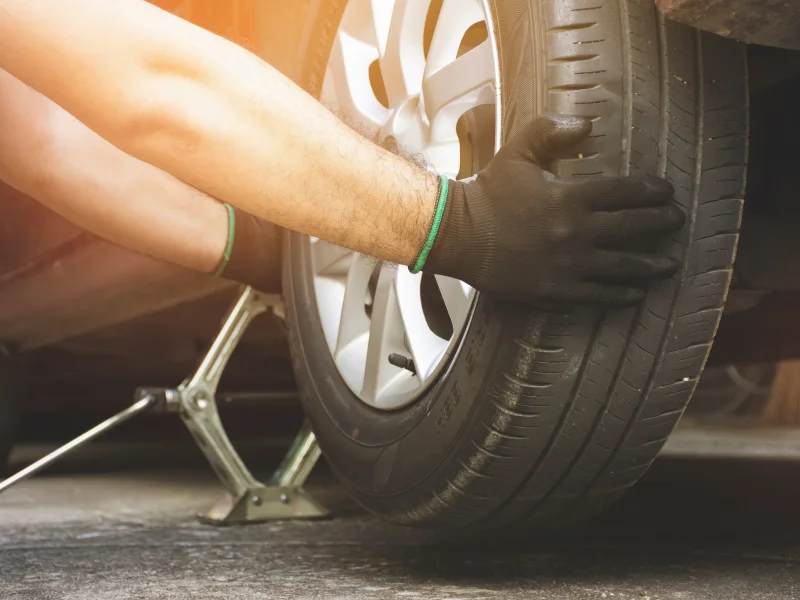
Start with a simple RV tire inspection. Look for cracks, uneven wear, or old rubber. If the tread looks good and the tires are under six years old, rotation might be enough.
Motorhomes usually need tire rotation every few thousand miles. This helps all tires wear evenly. Trailers, on the other hand, often wear tires faster in the rear. So they may need replacing more often.
When shopping for new ones, choose the best RV tires for your specific vehicle.Choosing the right RV tires boosts safety, enhances ride comfort, and improves fuel efficiency.
Most RV tires last between 25,000 to 50,000 miles, which is considered the average miles on set of tires. But age, road conditions, and maintenance can affect this.
Low tire pressure causes uneven wear and heat buildup. Proper inflation helps tires last longer and keeps your RV safer.
Final Thoughts:
Keep Your RV Tires Safe and Road-Ready
Your tires for an RV play a big role in your safety. A simple routine like checking pressure and tread can make a huge difference. Quick visual checks before every trip help catch small issues early.
Keep inflation levels right, and don’t ignore aging signs. Replacing old tires on time prevents bigger problems later. With regular care and attention, your tires will last longer and perform better. A little effort now means safer, smoother travels down the road.
Want more helpful insights? Check out our guide on What is an RV Park and explore more RV Travel Tips to keep your journey safe and stress-free.








 .
.