RV Park vs Trailer Park – What’s the Real Difference for Long-Term Living?
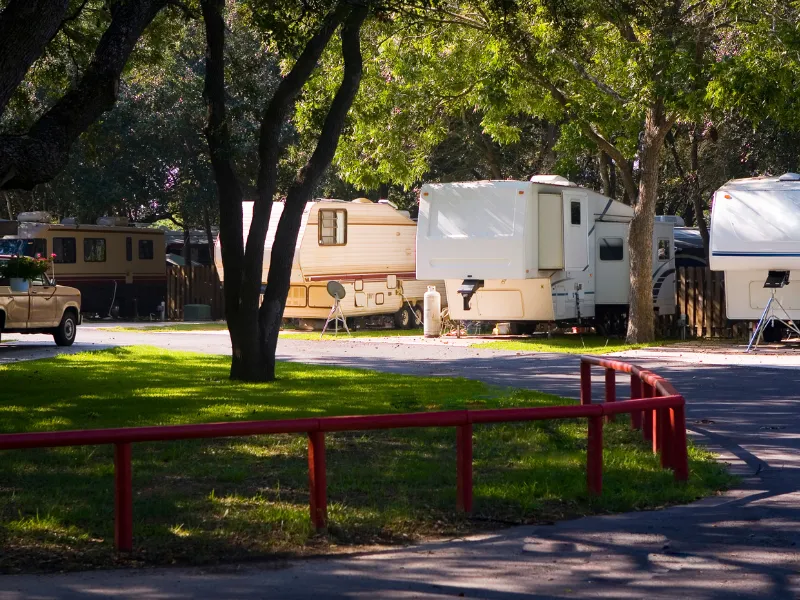
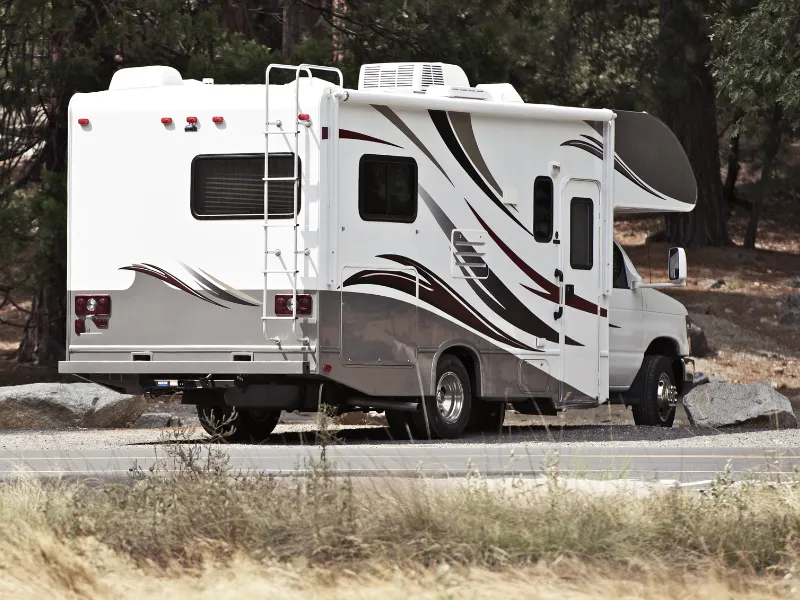
When comparing a trailer park vs RV park, the differences extend far beyond just their outward appearance. While both options provide affordable housing and distinct lifestyle choices, they are designed for very different types of living arrangements. An RV park is primarily built to accommodate recreational vehicles that are mobile and frequently come and go, making it ideal for travelers and short- or long-term stays.
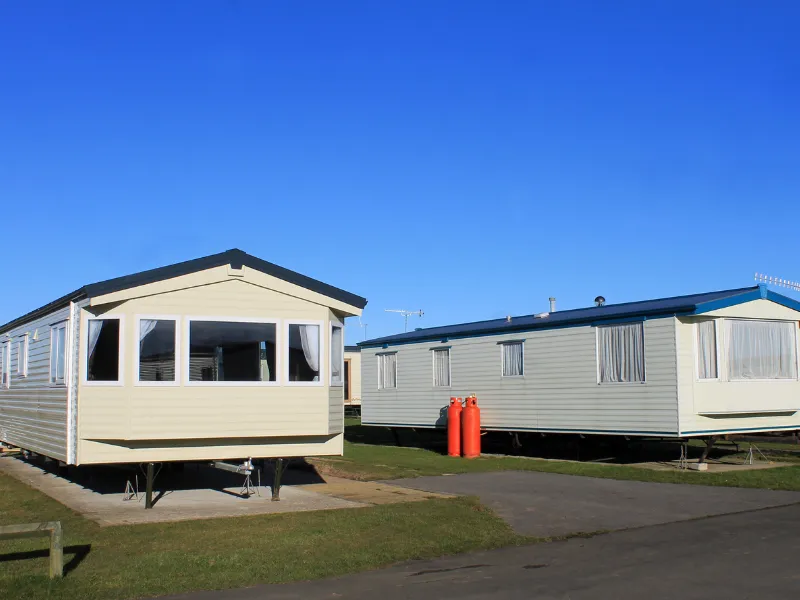
Still wondering what is a trailer park or what is an RV park? A trailer park typically features permanent or semi-permanent structures, such as manufactured or mobile homes, that are rarely moved once they are set in place. These communities are often designed for long-term or full-time residents, offering a more stable and residential environment compared to the flexible and travel-focused nature of RV parks.
One is geared toward short-term stays, while the other is built for long-term or permanent living. Each attracts people seeking very different lifestyles and experiences. Some individuals enjoy the freedom and flexibility of life on the road, traveling from place to place in their RVs. Others prefer the stability, quiet, and sense of community that a permanent trailer park home provides. Understanding these differences can make it easier to choose the right option that fits your lifestyle and personal needs.
Getting to Know What Sets RV Parks Apart from Trailer Parks
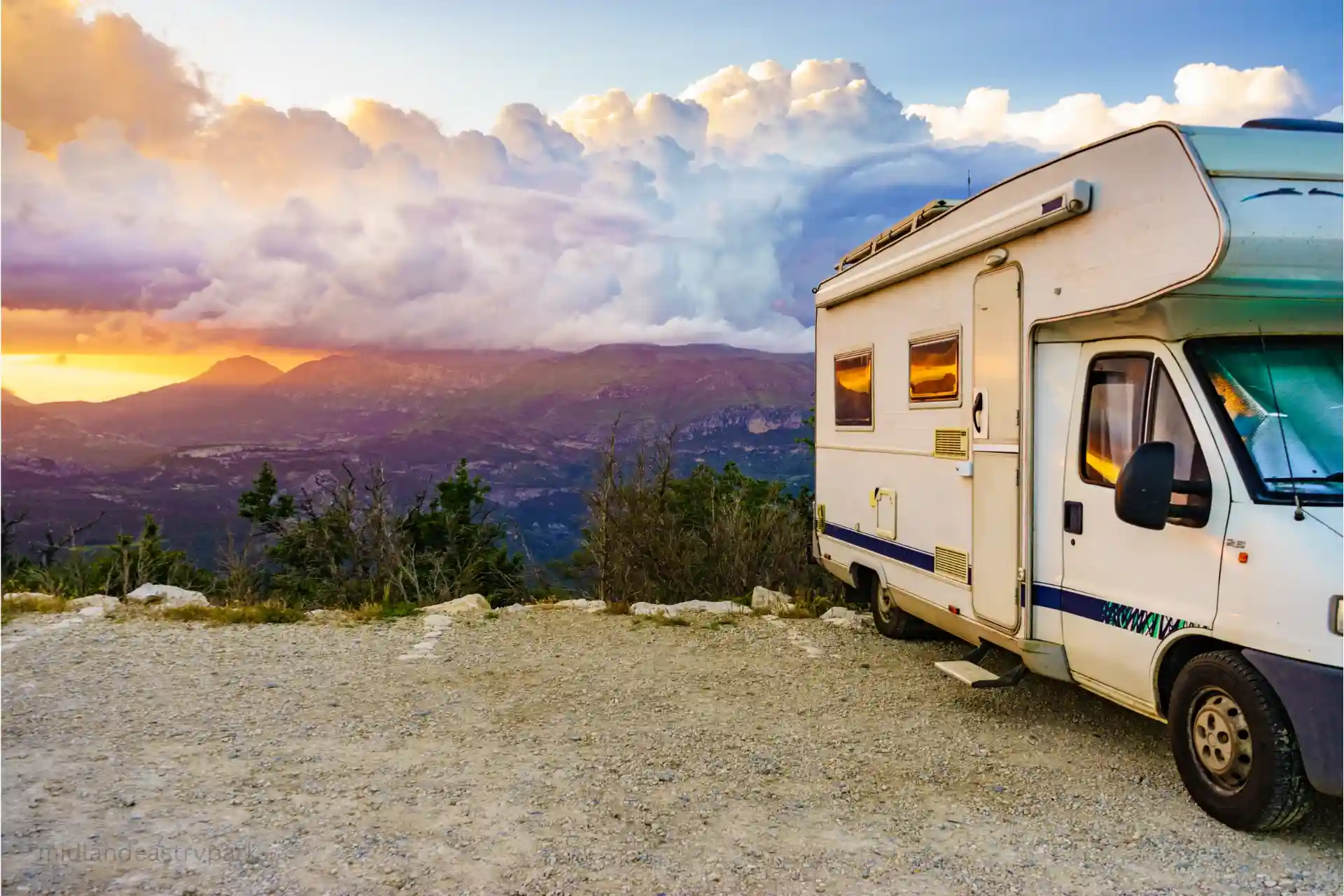
There are a few key differences between RV parks and trailer parks that can shape your living experience. The biggest difference is mobility. RV parks are built for movable homes. People drive in with their recreational facilities and stay for days or months. These RV spaces are designed for travel-friendly living.
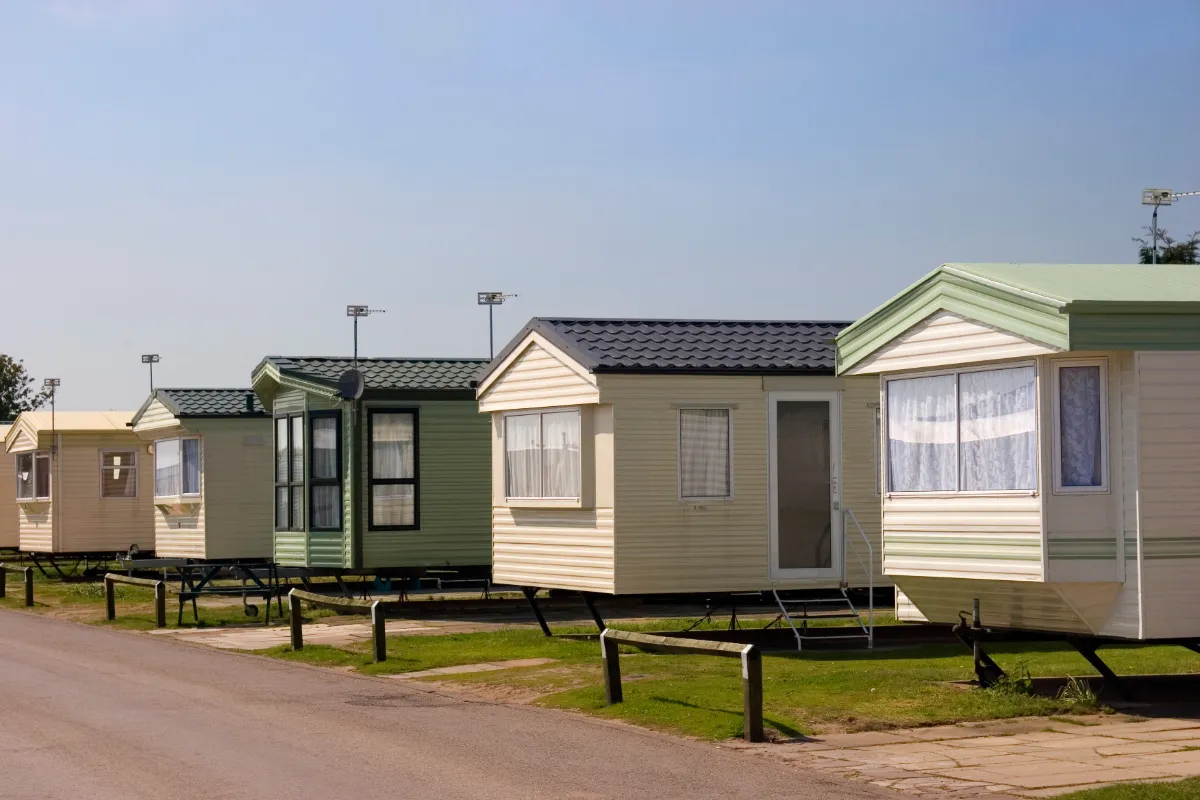
In comparison, trailer parks are designed for homes that stay in one place. These homes are fixed in place and rarely move. Residents live there full-time, often for years. It feels more like a neighborhood than a stop along the road.
Living in an RV park means more flexibility. You can move around and still enjoy a spot to call home during your trip. Many RV parks attract visitors who enjoy life on the road. Living in a trailer park offers more stability. It works well for those who prefer to stay in one place over time.
Both options work for different needs. If you love change and freedom, RV parks are a better fit. If you like a fixed setup, a trailer park could be a better match for your needs. Choosing between the two depends on your lifestyle and long-term plans.
What Features and Services Are Offered in Most RV Parks
Today’s RV parks offer features that make travel easier and more comfortable for guests. Many parks include water, power, and waste connections to make setting up your RV easier. This makes it easy to settle in, even for longer stays.
Many RV Park services also include free Wi-Fi, clean laundry rooms, and trash disposal areas. These features make everyday living simple while you're on the road. On-site security is often present to keep your stay safe and stress-free.
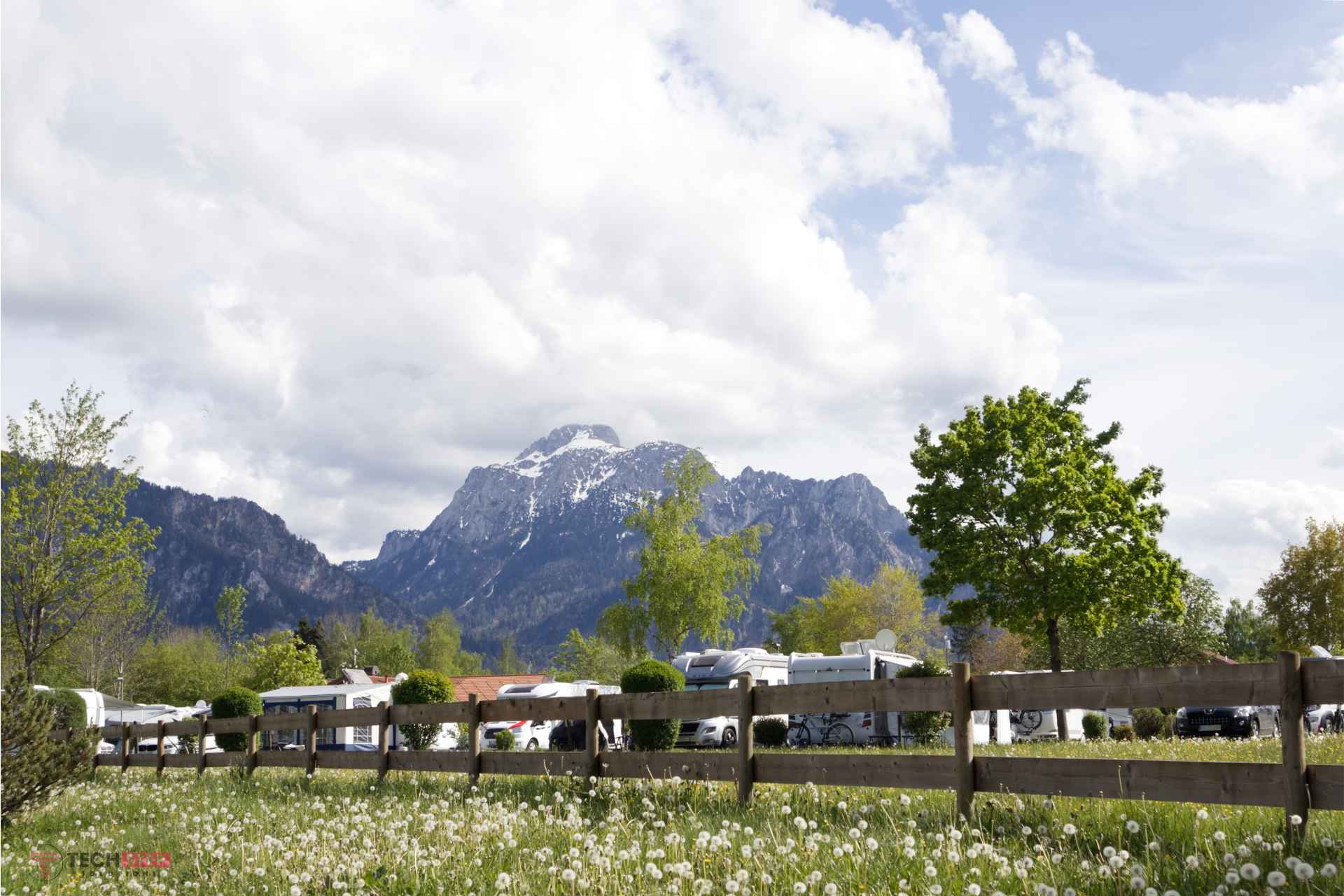
Many parks offer extras like picnic tables, trails, or spots where families can relax and play. These features bring people together and add fun to daily life. For families, having these shared spaces can make a big difference.
The layout usually allows for easy access in and out of the park. That’s useful if you’re moving often or pulling a large vehicle. Travelers enjoy the freedom to come and go with no hassle.
Families and individuals alike choose RV parks because they combine convenience with a welcoming space. Whether you're on vacation or staying a while, the rv park amenities make it a smooth experience.
How Community and Lifestyle Differ Between Trailer Parks and RV Parks
Each park offers a unique lifestyle shaped by the people who live there. RV parks often have a transient vibe. Visitors come and go, bringing new faces and stories every week. It creates an open, flexible feel.
Trailer parks usually have a long-term community. People stay for years and get to know their neighbors. These different lifestyles affect daily life. Guests often connect by sharing stories, food, and outdoor time in RV parks. It’s easy to meet others around fire pits or shared spaces. Many RV parks have common areas like clubhouses or outdoor lounges.
In trailer parks, the social atmosphere is more stable. Neighbors form bonds over time. Kids grow up together. People invest in their space and build lasting routines.
Both places offer community, just in different ways. Some enjoy the constant movement of RV parks. Others value the steady rhythm of trailer park living.
Which Is More Cost-Effective: Trailer Park or RV Park?
Cost can vary between trailer and RV parks, depending on how long you plan to stay. RV park cost is usually charged by the night, week, or month. It works best for short stays or seasonal visits.
Trailer Park cost usually have steady monthly fees, making it easier to plan for long-term living. Residents pay monthly or yearly rent for a fixed home. This makes it better for long-term living.
If you're traveling through Midland, TX, many RV parks offer affordable rates with essential services included. Midland offers fair rates and friendly stays for people traveling in RVs.
For those staying long-term, trailer parks may save more money over time. Your monthly costs for utilities and basics are usually lower in this type of setup. But for short trips, RV parks offer flexibility without a big commitment.
Choosing between them depends on your goals. Some prefer the ease of temporary RV stays. Others want a steady, permanent setup. Whether you stay for a weekend or a year, both options offer value in different ways.
Tourist Attractions and Accessibility for RV Travelers
RV parks make it simple to relax and explore nearby places without going far from where you’re parked. Whether you're stopping for a night or staying longer, it's simple to explore the area.
Midland, TX offers fun for everyone, from parks and museums to events held throughout the year. Staying at an RV Park in Midland, TX gives you a central spot to enjoy everything nearby.
Places like the Permian Basin Petroleum Museum and Sibley Nature Center are just minutes away. You can also check out local shops, diners, and walking trails.
Midland East RV Park is close to major roads, making travel stress-free. You can easily drive to attractions or head to your next stop.
RV travelers enjoy the freedom to move while staying near what matters. Because of their easy access and comfort, RV parks are great for quick visits and local trips.
Considerations for Long-Term Living in RV Parks vs. Trailer Parks
People often choose to stay long-term in either trailer parks or RV parks, depending on what suits their needs.
Trailer parks provide permanent homes, making them a solid choice for stable, long-term living. Many parks offer yearly leases and allow homeowners to make upgrades. On the other hand, RV parks are better for extended stays or seasonal living. Some parks offer monthly rates for guests planning longer visits.
Rules can vary by location. Trailer parks often have clear guidelines for pets, home size, and upkeep, while RV parks typically focus on vehicle condition and parking. If you’re planning to live year-round, trailer parks may offer more comfort with fewer changes. You’ll have a fixed location to call home.
For those who move around more, RV parks provide flexibility to change locations while keeping your home with you. Both options offer unique benefits. Whether you’re staying for a few months or setting up for the long haul, there's a park that works for your lifestyle.
Most parks allow pets. Rules may differ, so it's best to confirm with the park before settling in or booking.
Final Thoughts on Choosing the Right Option for Your Lifestyle
Your choice between a trailer park and an RV park comes down to how you live and what you’re planning ahead. Some prefer the freedom of flexible travel, while others like the stability of a permanent home.
RV parks are ideal for travelers who enjoy short stays or seasonal living. They offer simple setups with the comforts you need.
Trailer parks are best for those who want long-term living with room to grow and settle in.
Consider how long you plan to stay and what amenities matter most to you. Both options offer value, so choose the one that best fits your needs.









 .
.