Can I Park My RV on the Street?
can i park my rv on the street

Can I Park My RV on the Street? A Complete Guide for Travelers

Traveling by RV offers the flexibility to explore destinations on your own schedule. However, street parking can quickly become confusing for many RV owners. Can you safely park your RV on the street without risking tickets or towing? The answer varies based on where you are, local RV parking regulations, and the size or class of your RV. Knowing these rules in advance helps you avoid unnecessary trouble and enjoy a stress-free trip.

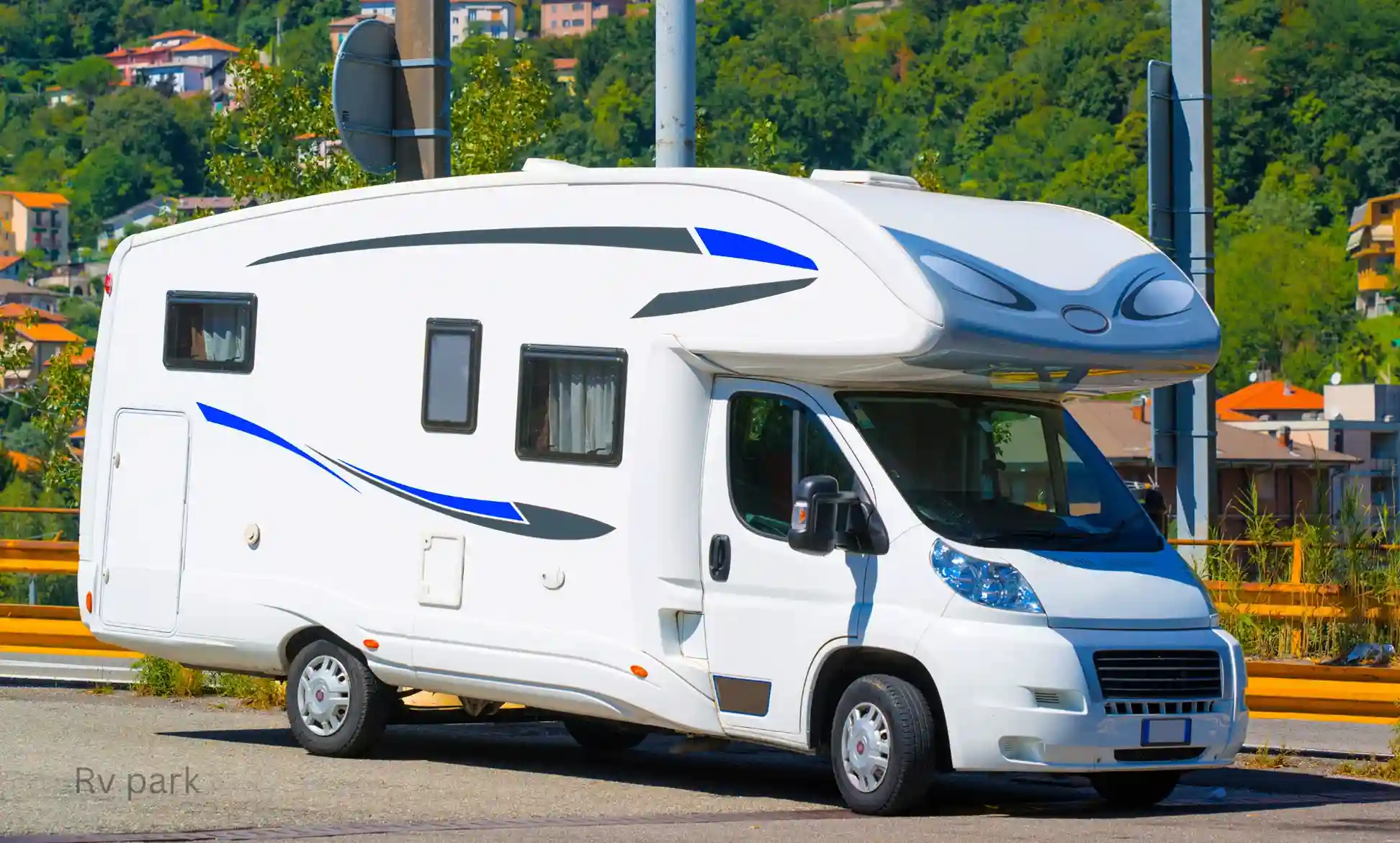
Many RV owners also underestimate how much space their vehicle takes up on the street. Unlike a standard car, recreational vehicle parking can block sidewalks, driveways, or fire hydrants if not positioned carefully. Even short stops can sometimes lead to RV parking complaints from neighbors or citations from local authorities. By planning ahead and knowing the local rv parking regulations, you can choose the best spot, stay within the law, and enjoy your travels without unexpected interruptions.

local ordinances and city rules

Before parking your RV on the street, understanding local rules is essential. RV parking regulations differ by city, county, and neighborhood, and knowing them helps you avoid fines, complaints, or towing. Here’s what to keep in mind:

local ordinances and city rules

Parking Your RV on Residential Property Without Headaches

Parking your RV on your property is often simpler than on the street. Many cities allow rv parking on residential property, whether it’s in your driveway, side yard, or backyard, as long as it doesn’t block sidewalks or neighbors’ views.

For those considering travel trailers to live in full time, there are usually additional restrictions. Some HOAs or cities limit how long your RV can remain visible or require it to be stored behind a fence. Following these RV regulations keeps your RV secure and avoids complaints.

If you’re looking for long-term options, Midland East RV Park offers secure parking solutions and guidance on local rules, so you can enjoy your RV without worries about breaking the law or facing fines.

Street Parking Tips for RVers: Convenience Without Consequences

safety restrictions for rvs
Street parking may seem convenient, especially for short stops or overnight stays. However, it comes with risks. Many cities have strict rv parking laws, and illegal parking can result in towing or fines. Even if a street seems quiet, the rules might prohibit motorhome overnight parking.
“Stealth parking,” where RVers try to hide their vehicle in neighborhoods or public areas, can also be risky. Property owners may report violations, and some cities patrol frequently for recreational vehicle parking violations.
If you do need to park on a street, check all signage and call local authorities if necessary. Being proactive avoids surprises and keeps your RV secure.
safety restrictions for rvs

.

Better Than the Street: Top Options for RV Parking

Street parking isn’t always safe or convenient. Dedicated RV parks, campgrounds, and storage facilities offer security, legal parking, and useful amenities. Here are the top options:

Parking Tips for RVers Hacks to Park RV in Public Spaces Safely

rv on public streets
Rest areas and public lots are tempting for short breaks, but rules vary by state. Some states allow motorhome overnight parking for a limited number of hours, while others strictly prohibit it. Setting up chairs, tents, or other camping equipment can quickly turn a legal parking spot into illegal parking.
Casinos and private businesses sometimes offer overnight RV parking, often free or for a small fee. Always check with the front desk and follow their rules. Failing to do so can lead to fines or being asked to leave, creating unnecessary stress.
Being aware of RV regulations in these spaces ensures your trip remains smooth and legal. Long-term travelers often plan stops ahead to avoid RV parking complaints and maximize safety.
rv on public streets

FAQs

It depends on local rules. Some cities allow short-term parking, while others require permits. Always check signs and local ordinances.
Many areas require permits for motorhomes parking overnight. Check with your local city or HOA for details.
Some residential areas allow it, but restrictions often apply, especially for long-term stays or large vehicles.
Fines vary by location and can include towing costs. Violating rv parking laws can become expensive.
Options include Midland East RV Park, Midland TX RV Campground, or private storage facilities. Research local recreational vehicle parking regulations to stay compliant.
rv street parking
Knowing rv parking regulations and local parking laws is key to enjoying RV life without interruptions. While street parking may work for short visits, legal alternatives like RV parks or campgrounds offer security, amenities, and peace of mind.
For long-term travelers or families, a Family Friendly RV Park in Midland TX provides a reliable home base, while those exploring the city can enjoy nearby Midland TX RV Campground or Midland East RV Park for safe and stress-free parking. Planning ahead ensures your RV adventures are smooth, enjoyable, and free from fines or complaints.
rv street parking