If the bowl starts filling instead of draining, stop using the flush to prevent an overflow. Another flush may cause an overflow, and the problem may be somewhere beyond the toilet itself.
Learning how to unclog an RV toilet starts with identifying what has stopped working. A full holding tank, paper caught in the discharge pipe, and a faulty flush mechanism can produce similar symptoms but need different solutions.
This guide explains the checks to make first, how to approach common blockages, and when professional help makes sense. It covers conventional gravity-flush systems. If you have a cassette, vacuum, or macerating toilet, follow the instructions for that specific model.
Before choosing a treatment, observe what happens when you operate the flush. Do not keep testing if the water level is rising.
Symptom
What It May Mean
Water enters but remains in the bowl
An obstruction below the toilet or a full tank
The bowl drains, but the tank will not empty
A tank, outlet, valve, or hose problem
No water enters the bowl
A water-supply or flush-component issue
The blade stays closed
A mechanical or control fault
The monitor reads full after normal dumping
A potentially fouled tank sensor
Check drainage at both ends: an empty tank does not rule out a clog below the toilet, and a clear toilet opening does not mean the tank outlet is working. Understanding that distinction helps you avoid adding water or chemicals where they cannot help.
A flashlight for inspection without reaching into the opening.
An approved sewer connection or dump station.
A compatible clog treatment, if appropriate.
Separate equipment for waste-system rinsing.
Keep the bathroom ventilated and restrict access to the work area until cleanup is complete. If sewage has escaped inside the vehicle, stop and arrange proper cleanup before continuing.
Why Do These
Blockages Happen?
Each incomplete flush or dump may leave debris behind, allowing a small restriction to grow into a blockage.
Too Little Water
Insufficient water when flushing can leave solids beneath the toilet instead of carrying them into the tank. Repeated use allows that material to accumulate.
Follow the flushing instructions for your model rather than trying to use the smallest possible amount of water.
Too Much Paper or the Wrong Items
Toilet paper buildup can restrict the opening or collect in a pipe bend. Tank treatments are not made to dissolve wipes or sanitary products, so these items may need to be physically removed if they cause a blockage.
Put wipes in the trash unless your RV toilet manufacturer explicitly allows them—even if the packaging says “flushable.”
Leaving the Dump Valve Open
If liquids escape before the tank is emptied, waste can collect directly below the toilet and form a mound known as a black tank pyramid plug.
Keeping the valve open at a full-hookup campsite can therefore contribute to a blockage rather than prevent one.
Waste Drying Inside the Tank
Waste left in the tank while your RV sits unused can dry into deposits that become difficult to remove. Once material dries, ordinary dumping may no longer remove it effectively.
If treatment leaves the buildup unchanged, let a qualified RV service professional assess whether the tank requires cleaning.
Steps to Restore
Normal Drainage
1. Stop Flushing
If the bowl is filling, stop using it and shut off its water supply if needed. If the pedal, blade, or flush button resists normal operation, stop rather than applying extra pressure.
Check the tank’s remaining capacity before attempting another flush.
2. Check Available Tank Capacity
Look at the monitor, your recent usage, and when you last emptied the RV black water tank. Sensors can misread, so do not rely on the display alone.
Check the tank’s available capacity first. A full tank should be emptied as the manual directs, but a blocked outlet needs attention before you introduce any more water.
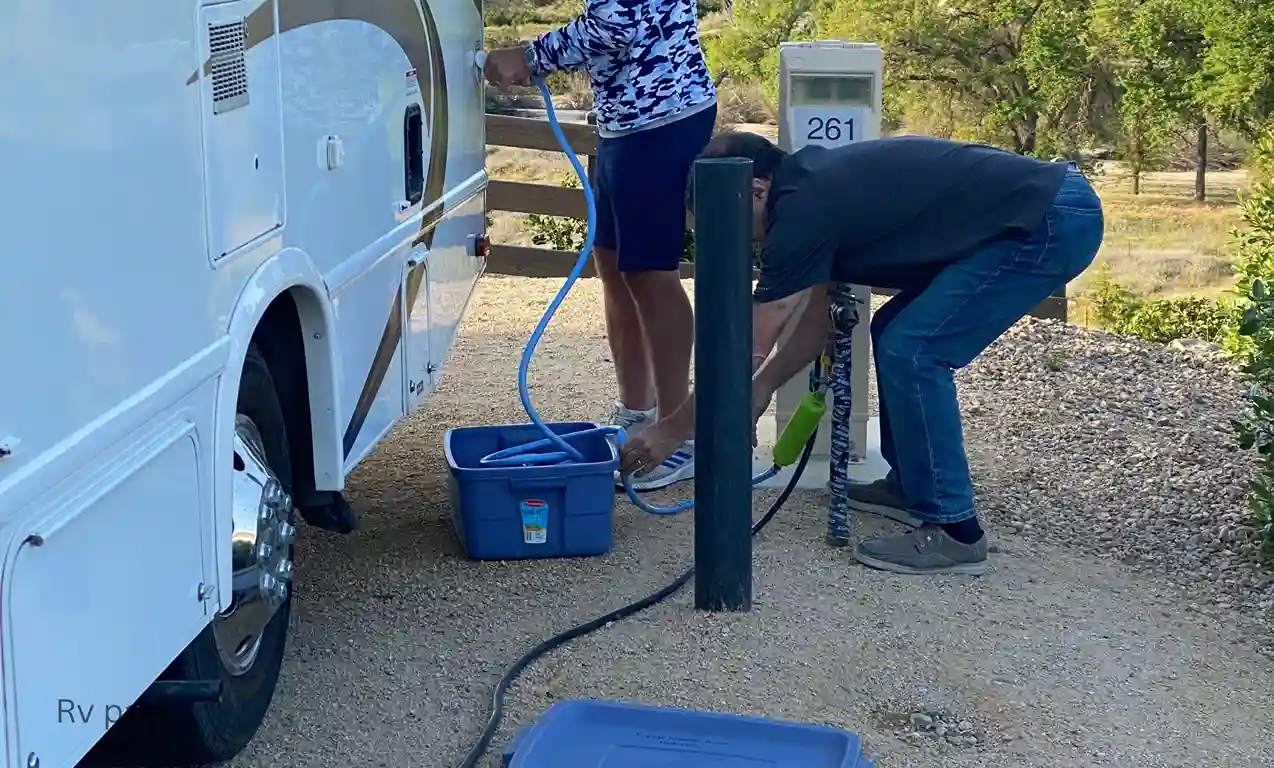
3. Inspect the External Discharge Setup
Before treating a blocked RV black tank, inspect the accessible discharge valve and sewer hose for visible problems.
Look for a kinked or crushed hose, poor support, or an uphill section that could restrict drainage. Confirm that you are operating the correct valve.
The bowl may drain while an RV sewer hose blockage stops waste from leaving the tank. Keep connections secured if sewage may be trapped inside, and stop if the valve handle resists normal movement.
4. Choose a Treatment That Matches the Cause
If paper appears to be causing the clog, choose an RV holding tank treatment designed for paper buildup and confirm that your equipment manufacturer approves its use.
Follow the label’s application method, required water quantity, and waiting time. Only add water after confirming there is room.
A deodorizer is not automatically a clog remover. Check for a dropped item or faulty valve before trying another dose of treatment; either issue needs physical attention.
5. Avoid Improvised Mechanical Fixes
To unclog a camper toilet, use only tools and methods approved for its design. Metal rods and household augers can catch on internal parts, tear seals, or puncture plumbing when inserted through the toilet.
If treatment does not restore drainage, ask the manufacturer or a technician about the next appropriate step rather than applying more force.
6. Empty, Rinse, and Test
Once normal flow returns, dump the tank according to the owner’s manual. Your RV’s rinsing instructions specify where the dump valve should be set; confirm that setting before turning on the water.
Never leave rinsing water running unattended. Use a dedicated waste-system hose, then restore the recommended starting water level.
Finish with a controlled test flush. Stop if water backs up again.
Why Has Flushing
Not Returned to Normal?
When an RV toilet won’t flush, the issue may involve something other than waste accumulation.
If no water enters, check whether the water supply is available. Check your model’s troubleshooting instructions to identify faults in the water inlet, foot pedal, or flush controls.
A blade that stays shut needs inspection before you attempt to move it manually. Electric systems may need checks of their power supply, pump, or error codes.
RV toilet seal maintenance helps protect the sealing components, but lubricant cannot clear an obstruction. Choose a product approved for your toilet model and apply it according to the manufacturer’s care instructions.
Methods to
Avoid
Unclogging an RV toilet should not involve experimenting with household chemicals or uncontrolled pressure.
Avoid boiling water, mixed cleaners, compressed air, and motorized drain augers. Do not use residential drain openers unless the equipment manufacturers explicitly approve the exact product.
Repeated flushing is also risky when capacity is uncertain.
For a plugged RV toilet that does not respond to an approved approach, professional inspection is more useful than repeatedly adding products.
How to Prevent
Another Backup
A few consistent habits make routine waste management easier.
Keep the black tank discharge valve closed between dumps. Retaining liquid helps waste move out when the tank is emptied. Follow any separate valve instructions when operating a built-in rinsing system.
Use suitable paper and adequate water. Choose RV-safe toilet paper compatible with your equipment, and use reasonable quantities.
Keep foreign objects out. Place wipes, sanitary products, paper towels, and food waste in the trash.
Maintain the tank regularly. Empty and rinse the RV toilet holding tank as directed, and prepare it properly before storage.
Our RV maintenance guide can help you include plumbing checks in your maintenance schedule.
Following this checklist helps identify overlooked maintenance issues before your first camping trip.
When to Call
an RV Technician
Arrange help if the tank remains full without discharging, a valve is stuck, sewage is leaking, or a foreign object may be involved.
Recurring backups and repeated macerator faults also deserve inspection.
If your travel trailer toilet is clogged at a campground, tell park management if you suspect the site’s sewer connection. An obstruction in the campground line needs a different response from a fault inside your vehicle.
Use a compatible treatment labeled for the suspected blockage and permitted by your equipment manufacturer. Confirm tank capacity first, then follow the application instructions. There is no single chemical or tool suitable for every system.
Possible causes include a full tank, accumulated paper, a pyramid plug, or an obstruction below the bowl. If the tank also refuses to empty, inspect accessible discharge components before assuming the toilet itself is blocked.
Compare recent use and dumping history with the monitor reading. If the tank empties normally but the bowl remains backed up, an obstruction nearer the toilet becomes more likely. Avoid adding water when you cannot confirm capacity.
Check your model’s instructions first. Some gravity-flush systems may permit a plunger, but it is not suitable for every design and will not resolve every tank blockage. Powered and vacuum systems require particular care.
Avoid ordinary household drain cleaners unless the toilet and waste-system manufacturers approve the exact product. Their ingredients may be unsuitable for seals and other components. A purpose-made holding-tank treatment is a different product.
Keep it closed during normal use, including at a full-hookup campsite. Open it for dumping, then close it afterward. Follow your manual’s separate instructions for rinsing.
Preparing for Your
Next Midland Stay
Preventing RV toilet clogs is easier when you respond to slow drainage early and follow a consistent dumping routine.
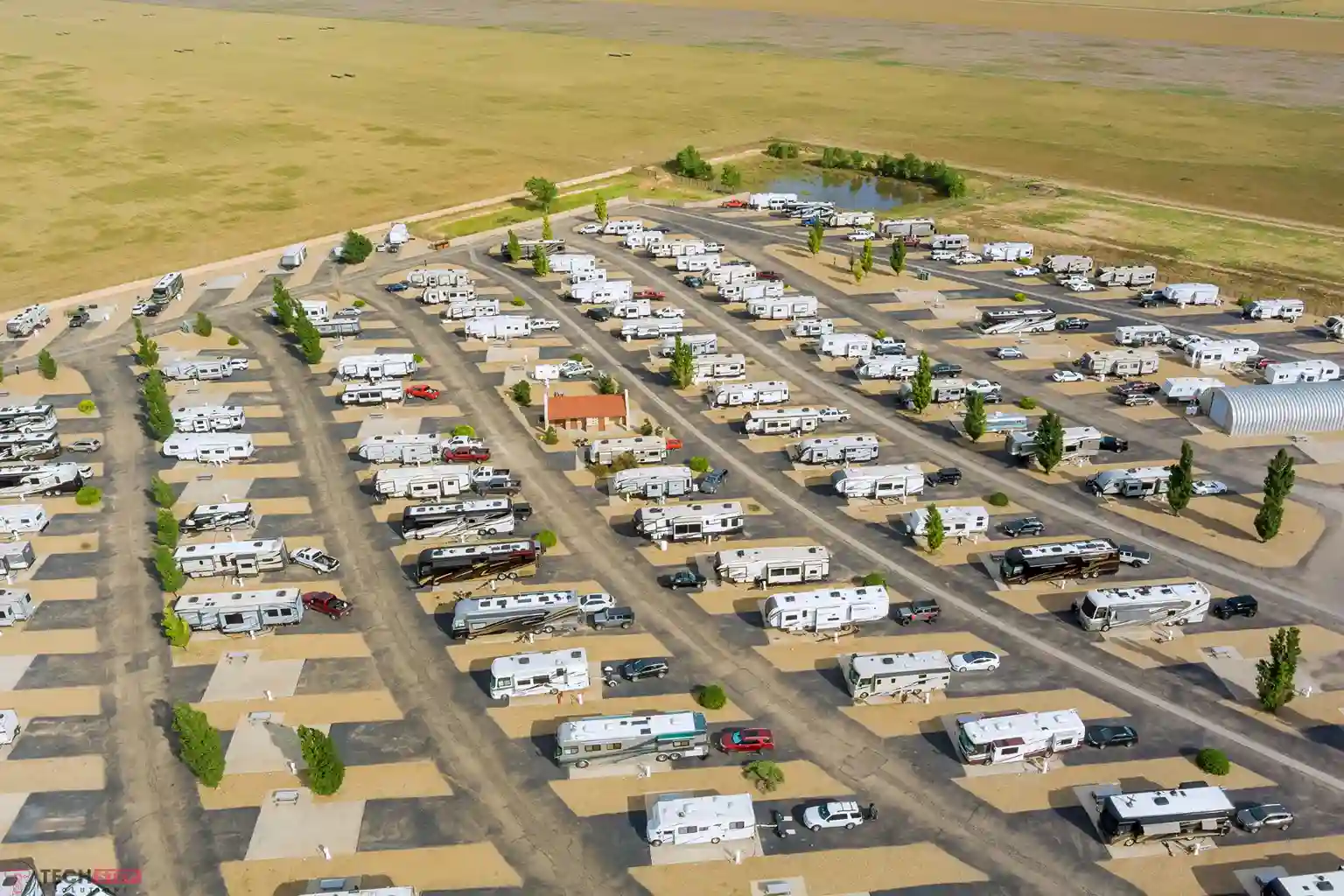
Before your next trip, check that the toilet flushes, the tank empties, and the connections are secure. For a stay in Midland, Texas, explore Midland East RV Park and contact the team about site availability.
Once your RV is ready, plan your next camping getaway with Midland East RV Park. Find a convenient place to park, relax, and enjoy your travels. Explore Midland East RV Park and plan your next stay today.










 .